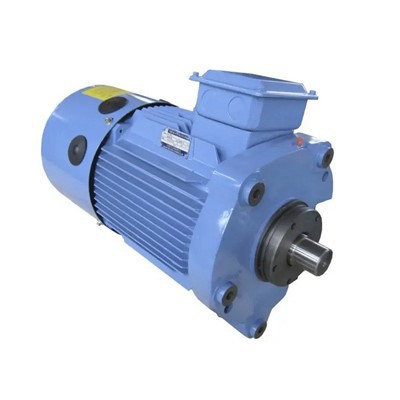
When it comes to high-speed applications, selecting the right servo motor is crucial for achieving optimal performance and efficiency. As a servo motor supplier with years of experience in the industry, I understand the challenges and considerations that go into this decision. In this blog post, I’ll share some key factors to keep in mind when choosing a servo motor for high-speed applications. Servo Motor
Understanding the Requirements of High-Speed Applications
High-speed applications typically demand rapid acceleration and deceleration, precise positioning, and consistent performance over extended periods. Whether it’s in robotics, CNC machines, or packaging equipment, the servo motor must be able to handle the dynamic loads and high rotational speeds associated with these tasks.
One of the primary requirements in high-speed applications is the ability to achieve high angular velocities. This means that the servo motor needs to have a high maximum speed rating. However, it’s not just about the top speed; the motor also needs to be able to maintain stability and accuracy at these high speeds.
Another important consideration is the torque requirements. High-speed applications often involve sudden changes in direction and load, which require the servo motor to provide sufficient torque to accelerate and decelerate the system quickly. The torque-speed curve of the motor is a critical factor in determining its suitability for a particular application.
Key Factors in Servo Motor Selection
1. Speed and Acceleration
The maximum speed of the servo motor is a fundamental parameter. It should be higher than the required operating speed to ensure that the motor can handle any transient speed increases. Additionally, the acceleration rate is crucial. A high acceleration rate allows the motor to reach the desired speed quickly, which is essential for high-speed applications.
When evaluating the speed and acceleration capabilities of a servo motor, it’s important to look at the motor’s specifications. The datasheet will typically provide information on the maximum speed, acceleration time, and the torque available at different speeds.
2. Torque
As mentioned earlier, torque is a critical factor in high-speed applications. The servo motor needs to be able to provide enough torque to overcome the inertia of the load and any frictional forces. There are two types of torque to consider: continuous torque and peak torque.
Continuous torque is the amount of torque that the motor can provide continuously without overheating. Peak torque, on the other hand, is the maximum torque that the motor can deliver for a short period. In high-speed applications, the motor may need to provide peak torque during acceleration and deceleration phases.
3. Inertia Matching
Inertia matching is the process of ensuring that the inertia of the load is compatible with the inertia of the servo motor. If the load inertia is too high compared to the motor inertia, the motor may struggle to accelerate and decelerate the load, leading to poor performance and increased wear on the motor.
To achieve proper inertia matching, it’s important to calculate the load inertia and compare it to the motor’s inertia. Most servo motor manufacturers provide guidelines on acceptable inertia ratios.
4. Feedback System
A reliable feedback system is essential for high-speed applications. The feedback system provides information about the motor’s position, speed, and torque, allowing the controller to adjust the motor’s performance in real-time.
There are several types of feedback systems available, including encoders and resolvers. Encoders are the most common type of feedback system and offer high accuracy and resolution. Resolvers, on the other hand, are more robust and can withstand harsh environments.
5. Controller Compatibility
The servo motor needs to be compatible with the controller that will be used to drive it. The controller is responsible for sending commands to the motor and adjusting its performance based on the feedback from the system.
When selecting a servo motor, it’s important to ensure that it is compatible with the controller in terms of communication protocols, power requirements, and control algorithms.
6. Thermal Management
High-speed operation generates a significant amount of heat, which can affect the performance and lifespan of the servo motor. Therefore, effective thermal management is crucial.
Servo motors are typically equipped with cooling systems, such as fans or heat sinks, to dissipate heat. When choosing a servo motor for a high-speed application, it’s important to consider the cooling requirements and ensure that the motor has an appropriate cooling mechanism.
Application-Specific Considerations
Robotics
In robotics applications, the servo motor needs to be able to provide precise control and high-speed operation. The motor should also be lightweight and compact to minimize the overall weight of the robot.
Additionally, robotics applications often require the motor to be able to operate in multiple axes simultaneously. Therefore, the servo motor should be compatible with multi-axis controllers.
CNC Machines
CNC machines require high-speed and high-precision operation. The servo motor needs to be able to provide accurate positioning and smooth motion control.
In CNC applications, the motor’s ability to handle high dynamic loads is also important. The motor should be able to respond quickly to changes in the cutting path and provide sufficient torque to drive the cutting tool.
Packaging Equipment
Packaging equipment typically involves high-speed continuous operation. The servo motor needs to be able to provide consistent performance over long periods.
In packaging applications, the motor’s reliability and durability are crucial. The motor should be able to withstand the harsh operating conditions and frequent start-stop cycles.
Conclusion
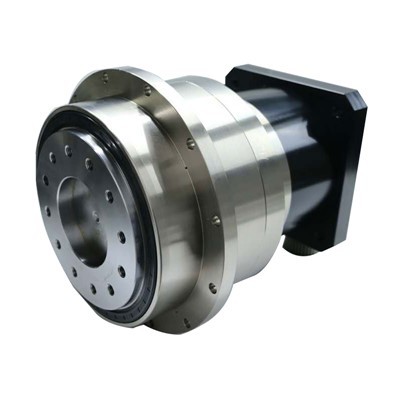
Selecting the right servo motor for a high-speed application requires careful consideration of several factors, including speed, torque, inertia matching, feedback system, controller compatibility, and thermal management. By understanding the specific requirements of your application and evaluating the available options, you can choose a servo motor that will provide optimal performance and efficiency.
Brushless Motor If you’re in the process of selecting a servo motor for a high-speed application, I’d be happy to help. As a servo motor supplier, I have the expertise and experience to assist you in making the right decision. Please feel free to contact me to discuss your requirements and explore the available options.
References
- "Servo Motors and Drives: Fundamentals, Characteristics, and Selection" by Thomas M. Osborne
- "Motion Control Handbook" by Peter Nachtwey
Zibo Auric Mechanical and Electrical Technology Co., Ltd.
As one of the leading servo motor manufacturers and suppliers in China, we warmly welcome you to buy advanced servo motor for sale here from our factory. All customized motors are with high quality and competitive price.
Address: B419, High-tech Entrepreneurship Park, High-tech Zone, Zibo City
E-mail: cui@auricmotor.com
WebSite: https://www.auricmotor.com/
