If you’ve ever ordered custom equipment for a manufacturing line, you’ve probably run into that tiny, specific ask: can I tweak a small detail to fit my space, brand, or process? For years, I’ve fielded that exact question about our Auxiliary Machine Series, and the short answer is always yes— but there’s a lot more to it than just picking a paint swatch that matches your factory’s signage. As someone who’s spent 12 years as a supplier of auxiliary machinery for packaging, plastics processing, and light manufacturing lines, I’ve seen how a color choice can go from a nice-to-have to a make-or-break detail for clients, and I want to pull back the curtain on how that works here. Auxiliary Machine Series

First, let’s make sure we’re on the same page about what the Auxiliary Machine Series includes, because that context matters. This isn’t a line of random, one-off tools we throw together. We build consistent, modular auxiliary equipment: parts like material dryers, small part conveyors, hopper loaders, and temperature control units— the unsung parts of a production line that keep the main machinery running without downtime. All of these have a base core design that’s standardized for reliability, which is why they work for 1,200+ clients ranging from small family-run injection molding shops to mid-sized food packaging plants. That standardization is what keeps our prices fair and lead times consistent, so when someone asks about color, we have to balance that standardization with their unique needs.
Let’s start with the most common reason clients ask for a custom color: brand alignment. For example, last year we worked with a specialty snack manufacturer that needed every piece of their new line to match their bright, forest-green logo. Their main production machinery was already that same shade, and the plant’s facilities team had repainted all safety rails and supporting structures to match. When the auxiliary equipment arrived in our standard industrial gray, it stood out like a sore thumb in the line, and the operations manager told us it made their pre-shift checklists harder— they had to manually verify that all auxiliary units were online instead of being able to spot them at a glance. That’s when I realized this wasn’t just a cosmetic request; it was a functional one, too. Another example: a medical device maker whose entire production space is white to meet sanitary guidelines, and they needed light, easy-to-see auxiliary equipment to prevent small debris from being missed. Their original request was to paint every unit white, and we adjusted that to a pale, easy-to-clean off-white that still showed dirt well, instead of the standard gray that would hide it.
Then there’s the functional side of color choices, which a lot of first-time clients don’t think about. Industrial machinery lives in harsh environments: temperatures that swing from 30 degrees in a cold storage annex to 100 degrees near a hot extrusion press, constant exposure to cleaning chemicals, and sometimes even exposure to UV light if it’s placed near a loading dock. Our standard paint is a durable, powder-coated gray that’s tested to withstand all these conditions, but not all custom colors can hold up the same way. For example, bright red might sound like a great choice for safety, but if it’s a light red, it chips easier when a material drum gets dragged across the machine, and it fades after 18 months of sun exposure. We don’t just pull paint colors off a swatch— we test every custom color application against the same 12 durability tests we use for our standard finish: humidity resistance, salt spray exposure (for coastal plants), chemical resistance to common cleaning agents like bleach or isopropyl alcohol, and abrasion resistance from forklift traffic. That’s why we don’t offer neon pink or pastel colors as a default; they might look good in a showroom, but they’ll wear out in a factory in six months, which means more downtime for our client and more service calls for us.
A lot of people assume custom colors add a big, unreasonable cost, and I get that. So let’s break down the pricing and process, because it’s not as scary as it sounds. Our standard lead time for the Auxiliary Machine Series is 7 to 10 business days once an order is confirmed. For a standard, stock color (our gray, a navy blue, and a safety orange for safety-critical units), that lead time stays the same, with no extra cost. If you pick a custom color that’s in our pre-approved paint vendor’s commercial color library (think Pantone or RAL colors that they keep in stock), we can adjust the lead time by just 2 to 3 days, and add a 3 to 5% markup to the equipment cost— that’s usually between $75 and $200 for most units, depending on size, which is a tiny cost compared to the hassle of repainting 10 units yourself or dealing with misaligned branding. If you have a unique color you want to match, say a custom brand shade from your marketing team, that requires a special mix, and that adds a 7 to 10% markup and 5 to 7 extra days, because we have to test the mix for durability before applying it to equipment. We always send a physical color sample before production starts, too, so you can confirm it’s exactly what you want, no surprises.
I’ve also had to navigate tricky situations where a client’s color request didn’t align with safety standards, and that’s a line we don’t cross. For example, a few years ago, a warehouse manager wanted all their auxiliary equipment painted black to match their floor, because they thought it would look “professional” in their brand photos. The problem? Black absorbent heat, and one of the units was a temperature control unit that works with hot plastic molds. We did a test, and a black finish made the unit run 4 degrees hotter than our standard gray, which led to inconsistent part quality. We talked them through that, offered a dark navy blue that was 98% as close to black on camera, and even tested it to make sure it wouldn’t affect performance. They ended up going with the navy, and later told us it looked perfect in their marketing photos and didn’t cause any issues. That’s the other part of being a supplier, not just a seller: we balance your wants with what’s best for your long-term operation.
Another point I want to address: compatibility with other equipment. We often see projects where a client has a mix of old auxiliary machines from different brands, plus our new ones, and they want them all to match. Our powder coating application is designed to adhere to standard industrial metal, so it works with steel, aluminum, and even some older powder-coated units from other brands, though we always recommend a small test patch first to make sure the finish bonds correctly. We’ve also had clients order custom colors for spare parts, so when they replace an old unit, it blends in with the rest of the line, which means less visual stress for their operators.
Now, let’s talk about common misconceptions. One I hear all the time is that custom colors mean “made from scratch,” but that’s not the case here. Our Auxiliary Machine Series is a modular design, so every frame, panel, and part is pre-cut and pre-assembled, and we just adjust the paint step at the final assembly stage. We don’t have to redesign anything or change any internal components, which is why the lead times and costs are minimal compared to custom-built machinery. The only time we have to adjust a part is if a custom color is too thin or too thick to cover small gaps in the metal, which we fix by adjusting the paint spray pressure before application— that’s a standard step in our quality control process, not a major change.
I also want to mention sustainability, because that’s a big priority for a lot of our clients now. Our powder coating process is zero-VOC (volatile organic compounds), which means it doesn’t release harmful fumes into the air during application, and it’s 100% recyclable. Custom color paint uses the same powder base as our standard colors, so there’s no extra waste from special formulations, which is something we’ve worked hard on over the years. We used to use solvent-based paint for small custom orders, but we switched entirely to powder coating in 2019, and that was a game-changer for both our sustainability and the durability of our finishes.
At the end of the day, when a client asks, “Can I choose a specific color for the Auxiliary Machine Series?” the answer is almost always yes— as long as it meets our durability standards, aligns with your operational needs, and fits with our modular design. The only time we say no is when a color would compromise performance or safety, and that’s a conversation we have openly, not as a rejection, but as a way to find a solution that works for everyone.
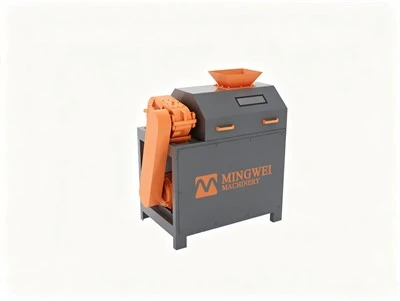
If you’re planning a new production line, upgrading existing auxiliary equipment, or just want to add a personal touch to your machines without the hassle of custom builds, I’d encourage you to reach out. We’ve worked with everything from small startups to Fortune 500 companies, and we can walk you through color options, lead times, and pricing tailored to your exact needs. Whether you need a color that matches your brand, fits sanitary guidelines, or just makes your line easier to operate, we’re here to help. Don’t hesitate to connect with our team to discuss your project.
Crushing and Grinding Machines References
Powder Coating Institute. (2022). Performance Standards for Industrial Powder Coatings. Retrieved from industry technical resources
Occupational Safety and Health Administration. (2021). Industrial Equipment Color Coding for Safety. Retrieved from OSHA technical guidelines
National Association of Manufacturers. (2023). Customization Trends in Mid-Size Industrial Equipment. Retrieved from industry market analysis reports
Henan Mingwei Machinery Equipment Co., Ltd.
As one of the most experienced auxiliary machine manufacturers in China, we have world-leading production equipment and strong manufacturing capabilities. Please rest assured to buy durable auxiliary machine for sale here from our factory. For price consultation, contact us.
Address: No.461 Qudong Jinsui Avenue, Hongqi District, Xinxiang City, Henan Province, China
E-mail: info@hnmwm.com
WebSite: https://www.hnmwmequip.com/
