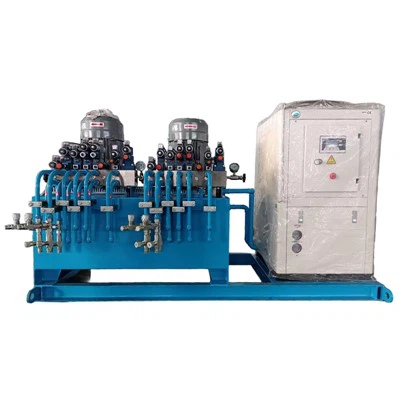
As a long – standing supplier of compact hydraulics, I’ve witnessed firsthand the critical role these systems play in various industries, from construction and manufacturing to automotive and aerospace. These systems are marvels of engineering, offering high power density in a small package, but like any mechanical system, they are prone to wear and tear. In this blog, I’ll share some common repair methods for compact hydraulics based on my years of experience in the field. Compact Hydraulics
1. Leakage Repair
Leakage is one of the most common problems in compact hydraulic systems. It can occur at various points such as seals, fittings, and hoses.
Seal Replacement
Seals are the primary defense against hydraulic fluid leakage. Over time, seals can degrade due to factors such as high temperatures, pressure fluctuations, and chemical exposure. When a seal fails, it’s essential to replace it promptly.
First, identify the type of seal that needs replacement. There are different types of seals, including O – rings, lip seals, and V – rings, each with its specific application. Use the correct tools to remove the old seal carefully, taking care not to damage the mating surfaces. Clean the area thoroughly to remove any debris or old seal material. Then, install the new seal, ensuring it is properly seated and lubricated with the appropriate hydraulic fluid.
Fitting Tightening and Repair
Loose fittings can also cause leakage. Check all the fittings in the hydraulic system regularly. If a fitting is loose, use a wrench to tighten it to the recommended torque specification. However, be careful not to over – tighten, as this can damage the fitting or the threads.
In some cases, the fitting may be damaged, such as having stripped threads or a cracked body. If this happens, the fitting needs to be replaced. When installing a new fitting, apply a thread sealant to prevent future leakage.
Hose Inspection and Replacement
Hoses in a compact hydraulic system are subject to constant pressure and movement, which can lead to wear and damage. Inspect hoses regularly for signs of cracking, bulging, or abrasion. If a hose shows any of these signs, it should be replaced immediately.
When replacing a hose, make sure to measure the correct length and select a hose with the appropriate pressure rating. Use the proper hose fittings and ensure they are installed correctly. After installation, check for any signs of leakage.
2. Contamination Removal
Contamination in the hydraulic fluid can cause significant damage to the compact hydraulic system. Contaminants can include dirt, metal particles, and water.
Fluid Filtration
The most effective way to remove contaminants from the hydraulic fluid is through filtration. Install high – quality filters in the hydraulic system and replace them at the recommended intervals. Filters come in different micron ratings, and the appropriate rating should be selected based on the specific requirements of the system.
Regularly monitor the pressure differential across the filter. An increase in the pressure differential indicates that the filter is becoming clogged and needs to be replaced.
Fluid Flushing
In cases where the hydraulic fluid is severely contaminated, a fluid flushing may be necessary. First, drain the old fluid from the system completely. Then, fill the system with a flushing fluid, which is a specially formulated fluid designed to remove contaminants. Run the system for a certain period to allow the flushing fluid to circulate and clean the internal components. After flushing, drain the flushing fluid and refill the system with fresh hydraulic fluid.
Water Removal
If there is water in the hydraulic fluid, it can cause corrosion and reduce the lubricating properties of the fluid. To remove water, use a water – absorbing filter or a centrifuge. If the water contamination is severe, it may be necessary to replace the entire hydraulic fluid.
3. Component Repair and Replacement
Compact hydraulic systems consist of various components such as pumps, valves, and cylinders. These components can also experience problems over time.
Pump Repair
Pumps are the heart of the hydraulic system, and any problems with them can significantly affect the system’s performance. If the pump is making noise, delivering reduced flow, or experiencing excessive vibration, it may need repair.
First, check the pump’s fluid intake to ensure there are no blockages. Inspect the pump’s internal components, such as the gears, pistons, or vanes, for wear or damage. If the damage is minor, the components can be repaired or refurbished. However, if the damage is severe, the pump may need to be replaced.
Valve Repair
Valves control the flow, pressure, and direction of the hydraulic fluid in the system. If a valve is not functioning correctly, it can cause problems such as erratic operation or pressure fluctuations.
Inspect the valve for any signs of damage or wear, such as stuck spools or damaged seats. Clean the valve thoroughly to remove any debris or contaminants. If necessary, replace the valve’s internal components or the entire valve.
Cylinder Repair
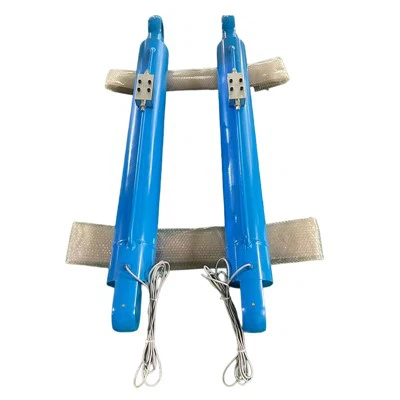
Cylinders are used to convert hydraulic energy into mechanical force. If a cylinder is leaking, not extending or retracting properly, or experiencing excessive friction, it may need repair.
Check the cylinder’s seals, piston, and rod for damage. Replace any worn or damaged seals. If the piston or rod is damaged, it may need to be repaired or replaced. After repair, test the cylinder to ensure it is functioning correctly.
4. System Calibration and Testing
After any repair work is completed, it’s essential to calibrate and test the compact hydraulic system to ensure it is operating at its optimal performance.
Pressure and Flow Calibration
Use pressure gauges and flow meters to measure the pressure and flow rate of the hydraulic fluid in the system. Compare the measured values with the system’s specifications. If the values are not within the acceptable range, adjust the system’s valves or pumps to calibrate the pressure and flow.
Function Testing
Test the system’s various functions, such as the movement of cylinders and the operation of valves. Observe the system’s performance for any signs of abnormal behavior, such as jerky movements or slow response times. If any problems are detected, further investigation and adjustment may be required.
In conclusion, proper repair and maintenance of compact hydraulics are crucial for ensuring the longevity and reliable performance of these systems. By following the methods outlined above, you can effectively address common problems and keep your hydraulic systems in top – shape.
Industrial Hydraulic Systems If you’re in the market for high – quality compact hydraulics or need further advice on repair and maintenance, I’d love to have a chat with you. Reach out to me to discuss your specific needs. I’m confident that our products and expertise can provide the solutions you’re looking for.
References
- "Hydraulic Systems: Design, Installation, and Maintenance" by John F. Caruthers
- "Hydraulics & Pneumatics Handbook" by Richard M. Woods
- "Industrial Hydraulic System Troubleshooting" by Craig and Sharon Barker
Wuhu Zhongye Fluid Equipment Co., Ltd.
We are one of the most experienced compact hydraulics manufacturers and suppliers in China, specialized in providing high quality customized products. Please feel free to wholesale bulk durable compact hydraulics in stock here from our factory. Contact us for quotation.
Address: No. 2, Hexing Road, Sanshan District, Wuhu City, Anhui Province
E-mail: zhongyehydro20@163.com
WebSite: https://www.zhongyehydro.com/
