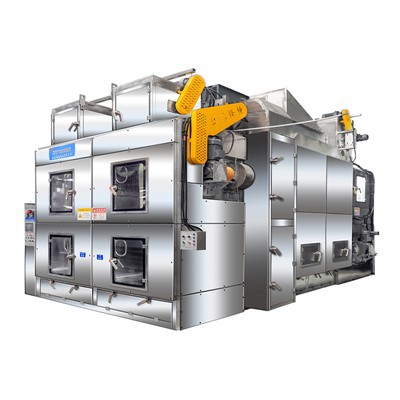
In the dynamic and ever – evolving world of textile manufacturing, the demand for high – quality, versatile fabrics is constantly on the rise. Blended textiles, which combine the best properties of different fibers, have become increasingly popular due to their enhanced performance, comfort, and aesthetic appeal. As a leading supplier of textile sueding machines, I often receive inquiries from customers about whether our machines can effectively process blended textiles. In this blog post, I will delve into this topic, exploring the capabilities of our textile sueding machines in handling blended fabrics and providing insights based on our extensive industry experience. Textile Sueding Machine
Understanding Blended Textiles
Blended textiles are created by combining two or more different types of fibers, such as cotton and polyester, wool and nylon, or silk and rayon. The purpose of blending is to achieve a fabric that has the combined advantages of each fiber. For example, cotton is known for its breathability and softness, while polyester offers durability and wrinkle resistance. By blending these two fibers, manufacturers can produce a fabric that is both comfortable to wear and easy to care for.
The composition of blended textiles can vary widely, with different ratios of each fiber used depending on the desired properties of the final fabric. This variability in composition presents unique challenges and opportunities when it comes to textile processing, including sueding.
The Function and Working Principle of Textile Sueding Machines
Before we discuss whether our sueding machines can process blended textiles, it’s essential to understand how these machines work. A textile sueding machine is designed to create a soft, fuzzy surface on the fabric by mechanically abrading the fibers. This process, known as sueding, enhances the fabric’s hand feel, appearance, and absorbency.
Our textile sueding machines use a series of abrasive rollers or sanding belts to gently rub against the fabric surface. The abrasive action causes the surface fibers to break and fray, creating a layer of fine, fluffy fibers that give the fabric its characteristic suede – like texture. The machine’s settings, such as the speed of the rollers, the pressure applied, and the type of abrasive material used, can be adjusted to achieve different levels of sueding, depending on the fabric type and the desired end result.
Can Our Textile Sueding Machines Process Blended Textiles?
The answer is a resounding yes. Our textile sueding machines are highly adaptable and can effectively process a wide range of blended textiles. However, the success of the sueding process depends on several factors, including the fiber composition of the blend, the fabric construction, and the specific requirements of the end – product.
Fiber Composition
Different fibers have different physical and chemical properties, which can affect how they respond to the sueding process. For example, natural fibers like cotton and wool are generally more easily sueded than synthetic fibers such as polyester and nylon. This is because natural fibers are more flexible and have a higher tendency to fray when abraded.
In blended textiles, the dominant fiber in the blend often plays a significant role in determining the sueding characteristics. If the blend contains a high percentage of natural fibers, the sueding process will typically be more straightforward, and the fabric is likely to develop a soft, velvety surface. On the other hand, if the blend is predominantly synthetic, the sueding process may require more careful adjustment of the machine settings to achieve the desired effect.
Our sueding machines are equipped with advanced control systems that allow us to fine – tune the processing parameters based on the fiber composition of the blended textile. For instance, when processing a cotton – polyester blend, we can adjust the pressure and speed of the abrasive rollers to ensure that both the cotton and polyester fibers are sueded evenly, without causing excessive damage to either fiber.
Fabric Construction
The construction of the fabric, such as the weave or knit pattern, also influences the sueding process. Woven fabrics, which are made by interlacing two sets of yarns at right angles, generally have a more stable structure compared to knitted fabrics, which are formed by looping yarns together.
In woven blended textiles, the sueding process can enhance the definition of the weave pattern, giving the fabric a more textured appearance. Knitted blended fabrics, on the other hand, may require a different approach to sueding to maintain their stretch and elasticity. Our sueding machines are capable of handling both woven and knitted blended textiles, with adjustable settings to accommodate the unique characteristics of each fabric construction.
End – Product Requirements
The final requirements of the sueding process depend on the intended use of the fabric. For example, a blended textile used for luxury apparel may require a very fine, smooth suede finish, while a fabric used for industrial applications may only need a light sueding to improve its grip or absorbency.
Our team of experts works closely with customers to understand their specific end – product requirements and develop customized sueding solutions. Whether it’s a delicate silk – cotton blend for high – end fashion or a heavy – duty polyester – cotton blend for workwear, we have the expertise and technology to achieve the desired suede effect.
Advantages of Using Our Textile Sueding Machines for Blended Textiles
There are several advantages to using our textile sueding machines for processing blended textiles:
Enhanced Quality
Our machines ensure uniform sueding across the fabric surface, regardless of the fiber composition or fabric construction. This results in a high – quality, consistent finish that enhances the overall appearance and feel of the blended textile.
Improved Performance
Sueding can improve the performance properties of blended textiles, such as absorbency, softness, and anti – pilling characteristics. These improvements make the fabric more comfortable to wear and more durable over time.
Customization
We offer a high degree of customization in the sueding process, allowing us to meet the specific needs of each customer. From adjusting the level of sueding to achieving different textures and colors, our machines can create unique and innovative blended textile products.
Cost – Effectiveness
Our textile sueding machines are designed for maximum efficiency, with low energy consumption and minimal maintenance requirements. This makes the sueding process more cost – effective, especially for large – scale production of blended textiles.
Real – World Examples
To illustrate the effectiveness of our textile sueding machines in processing blended textiles, let’s look at some real – world examples.
One of our customers, a leading textile manufacturer, came to us with a challenge of sueding a cotton – linen blend fabric for a new line of summer clothing. The customer wanted to achieve a soft, natural suede finish that would enhance the fabric’s breathability and comfort. Using our sueding machines, we were able to fine – tune the processing parameters to gently abrade the cotton and linen fibers, resulting in a fabric with a beautiful, velvety surface. The end – product was well – received in the market, and the customer was able to increase their sales significantly.
Another customer, a producer of technical textiles, required sueding for a polyester – spandex blend fabric used in sportswear. The goal was to improve the fabric’s grip and reduce friction during physical activity. Our sueding machines were able to create a light suede finish on the fabric surface without compromising its stretch and elasticity. The resulting fabric was highly functional and comfortable, meeting the customer’s strict performance requirements.
Conclusion
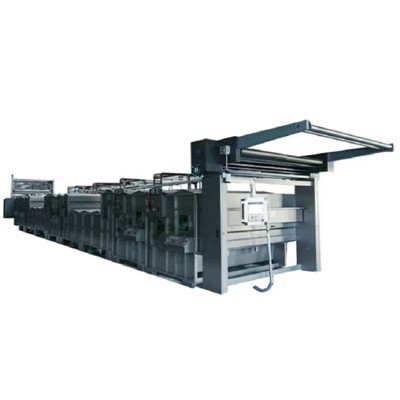
In conclusion, our textile sueding machines are fully capable of processing blended textiles, offering a range of benefits in terms of quality, performance, customization, and cost – effectiveness. Whether you are a small – scale textile artist or a large – scale manufacturer, our machines can help you achieve the perfect suede finish on your blended fabrics.
Textile Washing Machine If you are interested in learning more about our textile sueding machines or discussing your specific requirements for processing blended textiles, we invite you to contact us. Our team of experts is ready to assist you in finding the best sueding solution for your business.
References
- Textile Processing Handbook, Third Edition, by Subramanian S. and Ramaswamy S.
- Handbook of Textile Fibre Structure, Volume 1: Natural Fibres, edited by David J. Spooner
- The Technology of Textile Finishing, Second Edition, by John Shore
Jiangsu Feng Te Technology Co., Ltd.
We’re well-known as one of the leading textile sueding machine manufacturers in China. With a professional production team, we are able to meet the needs of the majority of our customers. Please rest assured to buy discount textile sueding machine for sale here from our factory.
Address: No. 4 Zhanghong Road, Siying Industrial Park, Lianyungang City, Jiangsu Province, China
E-mail: frentejenny@foxmail.com
WebSite: https://www.jsfrente.net/
