What are the specific requirements for conductor wires in wind turbine applications?
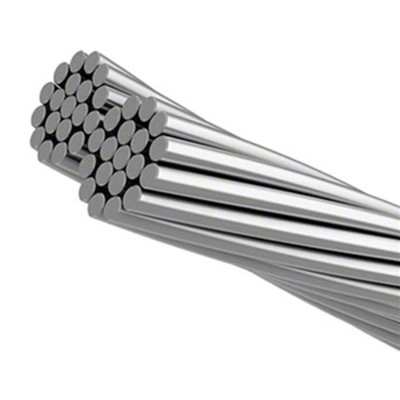
As a seasoned supplier of conductor wires, I’ve witnessed firsthand the remarkable growth and evolution of the wind energy sector. The demand for efficient and reliable wind turbines is soaring, and at the heart of these colossal machines lie the conductor wires. These unassuming components play a crucial role in ensuring the seamless operation of wind turbines, transferring electrical energy from the generator to the grid. In this blog post, I’ll delve into the specific requirements for conductor wires in wind turbine applications, shedding light on the challenges and considerations that shape our product development. Conductor Wire

1. Electrical Conductivity
One of the primary requirements for conductor wires in wind turbine applications is high electrical conductivity. The ability of a conductor to carry electrical current with minimal resistance is essential for maximizing the efficiency of the wind turbine system. Copper and aluminum are the most commonly used materials for wind turbine conductor wires due to their excellent electrical conductivity. Copper, in particular, is preferred for its superior conductivity, which allows for a smaller cross-sectional area of the conductor and reduces the overall weight and cost of the system.
However, the choice between copper and aluminum depends on various factors, including the specific application, cost, and availability. Aluminum is a more cost-effective option, especially for large-scale wind turbine projects, but it has a lower conductivity than copper. To compensate for this, aluminum conductors are typically larger in diameter than copper conductors to achieve the same level of electrical performance.
2. Mechanical Strength
Conductor wires in wind turbines are subjected to a wide range of mechanical stresses, including vibration, tension, torsion, and bending. These stresses can cause the conductor wires to fatigue and eventually fail, leading to costly downtime and repairs. Therefore, conductor wires used in wind turbine applications must have high mechanical strength to withstand these stresses.
The mechanical strength of a conductor wire is determined by its material properties, cross-sectional area, and construction. Copper and aluminum are both relatively strong materials, but they can be further strengthened through alloying and cold working. Additionally, the design of the conductor wire, such as the number of strands and the pitch of the helix, can also affect its mechanical strength.
In addition to high mechanical strength, conductor wires in wind turbines must also have good flexibility. The blades of a wind turbine are constantly rotating and pitching, which requires the conductor wires to be able to bend and flex without breaking. Flexible conductor wires are typically made up of multiple strands of smaller-diameter wires, which allows them to bend more easily than solid conductors.
3. Thermal Performance
Wind turbines generate a significant amount of heat during operation, especially in the generator and the power electronics. This heat can cause the temperature of the conductor wires to rise, which can reduce their electrical conductivity and increase their resistance. Therefore, conductor wires used in wind turbine applications must have good thermal performance to withstand high temperatures without significant degradation of their electrical properties.
The thermal performance of a conductor wire is determined by its material properties, cross-sectional area, and insulation. Copper and aluminum have good thermal conductivity, which allows them to dissipate heat effectively. However, the insulation material used on the conductor wire also plays a crucial role in its thermal performance. Insulation materials with high thermal conductivity and low dielectric constant can help to reduce the temperature rise of the conductor wire and improve its overall efficiency.
In addition to good thermal performance, conductor wires in wind turbines must also be able to withstand rapid temperature changes. The blades of a wind turbine are exposed to a wide range of temperatures, from extreme cold in the winter to high heat in the summer. This can cause the conductor wires to expand and contract, which can lead to mechanical stress and fatigue. Therefore, conductor wires used in wind turbine applications must be able to withstand these temperature changes without significant damage.
4. Corrosion Resistance
Wind turbines are often installed in harsh environments, such as offshore locations and coastal areas, where they are exposed to saltwater, humidity, and other corrosive agents. These corrosive agents can cause the conductor wires to corrode, which can reduce their electrical conductivity and increase their resistance. Therefore, conductor wires used in wind turbine applications must have good corrosion resistance to withstand these harsh environments.
The corrosion resistance of a conductor wire is determined by its material properties and the type of coating or insulation used on the wire. Copper and aluminum are both relatively corrosion-resistant materials, but they can be further protected through the use of coatings and insulation materials that are specifically designed to resist corrosion. For example, some conductor wires are coated with a layer of zinc or other corrosion-resistant metal to provide an additional layer of protection.
In addition to good corrosion resistance, conductor wires in wind turbines must also be able to withstand the effects of UV radiation. The blades of a wind turbine are exposed to sunlight for extended periods of time, which can cause the insulation material on the conductor wires to degrade and become brittle. Therefore, conductor wires used in wind turbine applications must be able to withstand the effects of UV radiation without significant damage.
5. Environmental Sustainability
As the demand for renewable energy continues to grow, there is an increasing focus on environmental sustainability in the wind energy sector. Conductor wires used in wind turbine applications must be designed and manufactured in a way that minimizes their environmental impact. This includes using materials that are recyclable and reducing the energy consumption and waste generated during the manufacturing process.
At our company, we are committed to environmental sustainability and have implemented a number of initiatives to reduce our environmental impact. For example, we use recycled materials in our conductor wires whenever possible and have implemented energy-efficient manufacturing processes to reduce our energy consumption. We also work closely with our suppliers to ensure that they are using sustainable practices in their operations.
Conclusion
In conclusion, conductor wires play a critical role in the operation of wind turbines, and they must meet a number of specific requirements to ensure the efficient and reliable performance of these systems. These requirements include high electrical conductivity, mechanical strength, thermal performance, corrosion resistance, and environmental sustainability. As a leading supplier of conductor wires, we are committed to developing and manufacturing products that meet these requirements and exceed our customers’ expectations.
Control Cable If you are involved in the wind energy sector and are looking for a reliable supplier of conductor wires, we would be happy to discuss your needs with you. Our team of experts has extensive experience in the design and manufacturing of conductor wires for wind turbine applications, and we can work with you to develop a customized solution that meets your specific requirements. Please feel free to contact us to learn more about our products and services.
References
- "Wind Energy Handbook" by Dr. Tony Burton, Dr. David Sharpe, and Dr. Ervin Bossanyi
- "Electrical Engineering Handbook" by Richard C. Dorf
- "Materials Science and Engineering: An Introduction" by William D. Callister Jr. and David G. Rethwisch
Jiangsu Jingwei Cable Co., Ltd.
As one of the leading conductor wire manufacturers in China, we warmly welcome you to buy bulk durable conductor wire made in China here from our factory. All cables are with high quality and competitive price. For pricelist and free sample, contact us now.
Address: Industrial Concentration Zone C, Guanlin Town,Yixing City, Jiangsu Province
E-mail: marilyn.wang@jingwei-cable.com
WebSite: https://www.jwcable.com/
