If you’ve ever poured hours into curating a stunning collection of necklaces, rings, and earrings only to watch them get tangled in a drawer or lose their shine mid-in-store display, you know how much the right props matter. As a jewelry display props supplier, I’ve spent the last 7 years working with independent boutique owners, luxury brand managers, and pop-up shop operators to figure out what separates something that works just “good enough” from something that elevates a piece of jewelry. A lot of people ask me if they can skip investing in professional display props and just grab DIY alternatives from their local craft store or garage. The short answer? You can— but the long answer is that those small, seemingly insignificant differences between professional and DIY jewelry display props add up to way more than most people realize. Today, I’m breaking down exactly what sets these two categories apart, from material science to small business success, and why choosing professional props isn’t just a nice-to-have—it’s a make-or-break choice for your jewelry. Jewelry Display Props
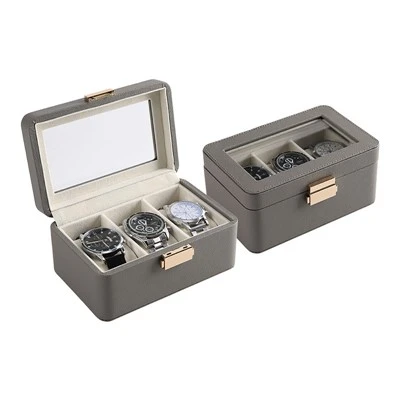
First, let’s talk about something no craft tutorial will mention: material stability and jewelry safety. Most DIY projects use things you already have lying around: old wooden picture frames, painted cardboard tubes, even repurposed candle holders. On the surface, this seems cost-effective, but think about what those materials do to high-quality gold, silver, or even plated jewelry. Cardboard, for example, off-gasses a chemical called volatile organic compounds (VOCs) as it breaks down, even over short periods. That off-gassing can leave a dull, hazy film on silver within weeks, or cause thin gold plating to chip prematurely. I’ve had a client come to me last year who’d spent $2,000 on handcrafted gold drop earrings she displayed on DIY painted wooden blocks—by the time she’d hosted her pop-up, the gold plating on the back of each earring was tarnished so bad she had to re-plate all of them, wiping out half her profit. Professional display props are made with materials engineered specifically for jewelry care. We use acid-free, lignin-free board for earring cards, for example, because lignin is the part of wood that breaks down and releases tarnish-causing compounds. We coat metal bases with a matte, non-abrasive polymer that prevents scratches on ring bands—something a DIYer would never think to apply to a repurposed metal doorknob or old candlestick. Even our velvet is specially milled: it’s a short-pile, low-lint velvet, not the thick craft store velvet that sheds tiny fibers that get caught in stone settings or between chain links. I’ve watched a customer come in panicking because her DIY display shed lint all over her diamond stud earrings during a trunk show, forcing her to stop every 10 minutes to pick at her jewelry. That’s the kind of avoidable headache professional props are built to solve.
Next, fit and functional design, which is where DIY props usually fall apart for anyone selling (not just storing) jewelry. When you make a display yourself, you’re working with whatever size materials you have. A 2-inch-wide wooden ring holder might cradle a size 6 ring perfectly, but a size 8 will slip right off, and a size 5 will rattle around so much it scratches the band. For necklaces, a bent wire from a coat hanger might hold a choker, but a 24-inch long statement necklace will slide all the way to the bottom and twist into a knot before a customer even gets close to touching it. Professional display props are engineered to exact jewelry measurements. I work with a gemologist and a product designer to map out every dimension: our ring holders are calibrated to fit size 4 to size 10 rings snugly, with a subtle inner curve that keeps them from tipping over even when a customer picks them up to try on. Necklace busts have notches at 16, 18, and 20 inches—standard choker, princess, and matinee lengths—so every style hangs exactly how it was designed, showing off the pendant at eye level. Earring displays have individual slots spaced ¾ of an inch apart, which is the ideal distance to prevent earrings from tangling while still giving customers space to compare pairs. One of my favorite clients is a small bridal jewelry brand that hosts trunk shows for brides and their parties; she used to make her own earring displays from poster board until she started using our custom acrylic earring stands. She told me that since switching, she’s had 30% fewer pairs get tangled during events, and customers spend 2 times longer looking at her collection because nothing is messy or hard to navigate. DIY displays might work for a single event or a small batch of jewelry, but they don’t scale to the consistent, easy-to-use display you need for repeat sales.
Durability is another big one, especially if you’re moving displays around—whether that’s between a retail shop, a pop-up, or a trade show. A DIY display made from cardboard and hot glue will fall apart after 2 or 3 moves; I’ve seen craft stick display stands break mid-trunk show when a customer leaned on a table a little too hard. Professional display props are built to withstand regular use. We test every prop for weight capacity: a single necklace bust is rated to hold up to 5 pounds of chain and pendants, which is more than enough for even the heaviest statement necklaces. We use industrial-grade adhesives for all seams and joints, so they don’t come undone after being packed and unpacked 100 times. For outdoor events or high-traffic retail spaces, we have water-resistant coating options that stand up to spilled drinks or sudden rain, something cardboard or hot glue definitely can’t do. I had a client who runs a weekend farmers market jewelry booth tell me she used to bring her DIY displays in a cardboard box every Sunday, and by mid-month, half her display was bent, scuffed, or falling apart. Since switching to our lightweight, durable metal and acrylic displays, she only has to wipe them down once a week, and they look brand new after 2 years of use. The cost difference might seem small at first—$10 for a DIY display vs. $25 for a professional one—but when a DIY display breaks every month, you’re spending $120 a year on replacements, compared to $25 for a professional one that lasts years. That’s a big difference for small business owners working on tight budgets.
Brand consistency is a final, often overlooked, factor that separates professional and DIY props. Your display props aren’t just holding your jewelry—they’re part of your brand identity. A DIY display with hand-painted letters, mismatched materials, or uneven cuts tells customers that your jewelry is a casual, one-of-a-kind hobby, not a professional business. Professional display props can be customized to match your brand: we can stamp your logo on the base of a ring holder, match your brand’s color to the velvet or acrylic, or create cohesive sets that flow across your whole display from necklaces to rings to earrings. One of our luxury brand clients told me that when she first started, her DIY display (made with reclaimed wood from her backyard) helped her sell her pieces for $50 each. When she switched to our custom, brand-aligned displays, she was able to raise her prices to $250 each, and her sales tripled in 6 months. Customers didn’t just see a ring—they saw a premium, professional piece of jewelry, and the display played a huge role in that perception. DIY props have their place, of course. If you’re selling homemade jewelry out of your home for a few friends, or testing a new line at a local craft fair for a weekend, a DIY display can be a fun, cheap option. But if you’re serious about growing your jewelry business, turning one-time customers into repeat buyers, or protecting your pieces from damage, professional display props are an investment that pays off.
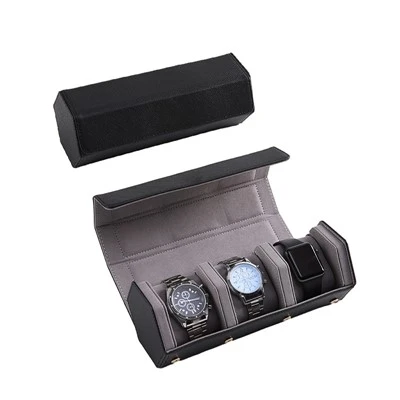
I’ve worked with hundreds of jewelry makers over the years, and the ones who stick around and grow are the ones who understand that every detail matters. The little things: a tarnish-free material, a ring holder that fits perfectly, a display that doesn’t tangle earrings, a brand that looks polished—those are the things that make customers feel confident buying, and make them come back. If you’re ready to upgrade your display and see what professional props can do for your business, reach out to our team to discuss your needs, whether you’re a new boutique looking for your first set of displays or an established brand needing custom designs for your next collection.
Jewelry Packaging Boxes References
- The Jewelers’ Board of Trade. (2022). "Material Degradation and Tarnish in Jewelry Display Settings." Journal of Jewelry Merchandising and Care.
- Small Business Administration. (2021). "Visual Merchandising Tips for Increasing Retail Jewelry Sales." U.S. Small Business Administration Office of Entrepreneurship.
- International Organization for Standardization. (2019). "Standards for Non-Abrasive Display Materials for Precious Metals and Gemstones." ISO 18212:2019.
- National Retail Federation. (2023). "2023 Visual Display Trends for Small Retail Businesses." National Retail Federation Research Report.
Shenzhen Yingbosang Crafts and Gifts Limited
Shenzhen Yingbosang Crafts and Gifts Limited is one of the most professional jewelry display props manufacturers and suppliers in China, also supports customized service. Please feel free to wholesale bulk premium jewelry display props made in China here from our factory. For quotation, contact us now.
Address: No.8, Ruiji Road, Nanlian Community, Longgang, Shenzhen, Guangdong, China
E-mail: andyzeng@ybsgroup.cn
WebSite: https://www.ybsbox.com/
