Hey everyone, it’s Mia here, co-owner of that small bathroom quartz countertop supply company you might’ve seen popping up in local home reno groups. Lately, I’ve been fielding so many DMs that go something like, “Wait—when I order quartz for my bathroom, does it come polished? Or do I gotta add that later?” Let’s cut through the confusion because this is one of those questions that trips up so many DIYers and even some small contractors lately. Bathroom Quartz Countertop
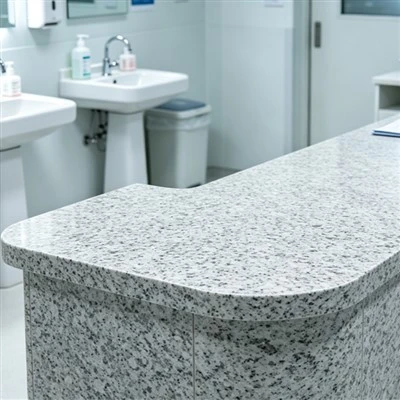
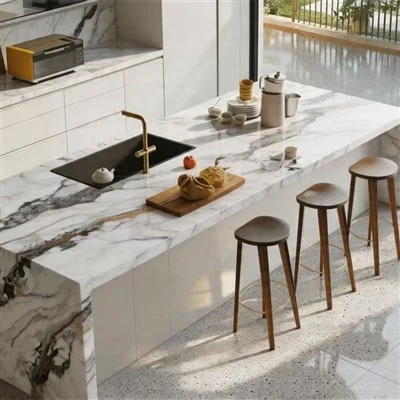
First off, let’s get one thing straight right now—most quartz countertops for bathrooms do come with a polish, but it’s not the same polish you see on those glossy kitchen islands with the chunky waterfall edges. No, wait, hold on, let me not overgeneralize that too fast. There are exceptions, and that’s exactly what I’m gonna break down today. Because half the mistakes people make when ordering bathroom quartz come from assuming all polish is identical, right? I’ve seen it first-hand—last month we had a guy order a “polished” quartz for his main bathroom and end up with a dull, matte-y finish that he thought was defective, turns out he just didn’t ask what level of polish he was getting.
Let’s start with the basics of what quartz actually is, for anyone who’s new here. Quartz isn’t natural stone—well, not entirely. It’s 90-95% crushed natural quartz crystals, mixed with resin binders, pigments, and a tiny bit of additives to make it durable, stain-resistant, all that good stuff that makes it perfect for bathrooms. The polish part is the final process that’s done after the quartz is cut into your custom countertop shape, right? That’s what gives it that smooth, non-porous top layer that’s way easier to wipe down than natural marble or granite.
Now, when it comes to bathroom-specific quartz, the default polish we (and most reputable suppliers, I should add) ship with is usually a matte or satin polish? Wait no, wait—wait, no, let me get that right. Wait, the two most common base polishes for bathroom quartz are satin and polished, and people mix them up all the time. Satin is that subtle, low-sheen finish—think like the inside of a ceramic mug, not glossy, but not dull either. It reflects light just enough to make the countertop look clean, but it doesn’t show every single water spot or fingerprint, which is perfect for bathrooms. Polished quartz has that high-gloss, mirror-like shine, same as kitchen countertops, which can look amazing, but it does show smudges way worse, especially in small bathrooms where there’s less natural light.
But here’s the thing—when we say quartz comes with a polish, we mean the factory-applied seal and surface polish, not that you never have to polish it again at home. Wait, that’s another big myth I wanna kill right now. A lot of customers think “factory polish means I never have to maintain it” and then they get frustrated when after a year their quartz looks dull. No, dude—quartz does need occasional polishing or re-sealing, even though it’s non-porous (wait, wait, let’s correct that: it’s nearly non-porous, no stone is 100% non-porous). The resin layer can wear down a tiny bit over time from harsh cleaners, abrasive scrubs, or even just regular daily use, so a quick polish every couple years keeps that finish looking fresh.
Now, let’s talk about the exceptions, because that’s where people get really confused. Some suppliers (we’re not one of them, but I know they exist) do offer unpolished quartz as a base material. Usually that’s for projects where someone wants a custom edge finish, like a honed edge or a leathered edge, and they wanna polish the top themselves to match. But for bathroom quartz, that’s super rare. Why? Because bathroom countertops get way more water exposure than kitchen counters. If you have an unpolished raw quartz surface, it’s way more prone to water stains, soap scum buildup, even mildew in the tiny pores that are left. No one wants that in their bathroom, right? We tested that once with a small batch a few years back, and even after just three months, the unpolished edges had way more soap scum stuck in them than any polished batch did.
Wait, another common question I get: what about different polish levels? Like, is there a difference between a standard polish and a premium polish? Yeah, totally. Most of the time, the standard polish we offer (which is what 80% of our bathroom orders go for) is a 2000-grit polish. That gives it that nice satin sheen, not too shiny, not too dull. The premium polish is 4000-grit, which is way smoother, has a deeper, more reflective shine, and it’s a bit more scratch-resistant too. But that does cost extra, so that’s why we always make a point to mention it in our order forms—we don’t just assume you want the premium stuff, especially since it’s not necessary for most bathrooms. A lot of people come to us wanting the standard because it hides water spots better, which is a huge win in bathrooms.
I should also mention something about edge finishes, because that ties into the polish too. A lot of customers mix up the top surface polish with the edge polish. When you order a bathroom quartz countertop, the top surface is polished as part of the standard order, but the edges—you can choose to have them polished too, or have a different finish, like a beveled edge or a distressed edge. But if you don’t get the edges polished, they’ll have that raw, cut quartz look, which actually makes the countertop way more likely to get damaged when you’re installing it or moving things around the bathroom. We always recommend getting the edges polished along with the top, even though it’s a small extra cost, because it protects the quartz and makes it look way more finished.
Wait, let’s circle back to that myth I mentioned earlier about polishing at home. I had a customer last year who scrubbed her bathroom quartz countertop with a harsh abrasive cleanser (you know, those pink scrub things that everyone swears by) and it left little dull spots. She messaged us panicking, thinking she ruined it, and we told her to get a quartz-specific polishing compound, rub it in with a soft cloth, and it fixed it right up. That’s the thing—most of the time, when your quartz countertop looks dull, it’s not that the factory polish wore off completely, it’s just a tiny area that got scuffed or stained, and a quick home polish fixes it. You don’t have to hire a professional to do it, which is a relief for most people on a budget.
Now, why do some suppliers not mention that polish is included? That’s a good question. I’ve heard horror stories from contractors who ordered quartz from a big box store, got it delivered, and realized it didn’t have any polish, so they had to pay extra to get it polished locally, which added hundreds of dollars to their project. That’s exactly why when we talk to our customers, we spell everything out upfront: standard bathroom quartz comes with a factory-applied 2000-grit satin polish on all surfaces, edges can be polished for an extra fee, premium polish is available for a small upcharge. No hidden fees, no surprises, which is how we’ve built our business over the last five years—just being honest about what you’re getting.
Wait, another thing to consider for bathrooms specifically: humidity. Bathrooms are way more humid than other rooms in the house, right? That’s why the polish on your quartz is even more important here. A good polish creates a barrier that keeps moisture from seeping into the quartz, which prevents mold, mildew, and even discoloration. We did a test a couple years back where we left two samples of quartz in a steamy bathroom for six months—one polished, one unpolished. The unpolished one had a tiny bit of discoloration along the edges from constant humidity, and the polished one looked exactly like the day we put it in. That’s a big selling point for bathroom-specific quartz, and it’s all because of that polish.
I wanna also address a common mistake DIYers make when they’re installing their own bathroom quartz. A lot of them buy a polish kit from a home improvement store and go to town polishing the whole countertop, thinking that’s what they need to do. But if you have the standard factory polish, you don’t need to re-polish the whole thing every year—just touch up any small scuffs here and there. Over-polishing can actually wear down the resin layer faster, so less is more here. Stick to gentle cleaners (like dish soap and water, or quartz-specific cleaner) and only polish when you notice a dull spot.
Now, let’s talk about when you might not want a polish. Wait, is that even possible? Yeah, if you’re going for a super rustic, modern, industrial look for your bathroom. Some people hate the shiny, smooth finish, so they’ll opt for a honed or leathered finish, which is a type of ultra-matte polish (wait, is that still considered polish? Technically yes, it’s a different grit and finish). But even then, it’s a processed polish, not raw quartz. We did a custom order a while back for a guy who wanted that industrial vibe, so we ordered unpolished quartz slabs and had a honed finish applied in-house, and it turned out amazing. But that’s a custom order, not standard, so it costs more, and you have to be okay with a slightly more porous surface that might need more frequent cleaning to prevent soap scum.
Wait, let’s make sure I’m not getting anything wrong here. Let’s recap the key points, because I know this can get overwhelming. First: 9 out of 10 standard bathroom quartz countertops from reputable suppliers come with a factory-applied polish, usually satin (2000-grit) as the default. Second: “polish” doesn’t mean a mirror-like high-gloss finish—you can choose the level of sheen, from ultra-matte honed to super glossy polished. Third: you will need to do occasional maintenance polishing at home, but it’s super easy and doesn’t require a pro. Fourth: the polish is extra important for bathrooms because of humidity and water exposure, it helps prevent stains and mold. Fifth: never assume all suppliers include polish—always ask upfront, because some big ones charge extra for it or don’t mention it in their fine print.
Now, I know a lot of you reading this are probably in the middle of planning a bathroom reno, or maybe you’re a contractor tired of dealing with hidden fees on quartz orders. If that’s you, I get it—renovations are stressful enough without dealing with confusing product specs and surprise costs. That’s why at our supply company, we make every detail clear on our website and in our quotes, no fine print, no weird add-ons. We carry a huge range of quartz colors and finishes, from soft neutrals to bold patterns, all designed specifically for bathroom use, so you don’t have to worry about getting a kitchen countertop that doesn’t hold up to steamy showers and daily water exposure.
If you’ve got more questions about polish types, custom orders, or pricing, feel free to shoot us a message—we’re always happy to walk through your project with you, no pressure, no salesy garbage. We know how overwhelming it is to pick the right materials for a bathroom, especially when there’s so much misinformation out there. That’s why we started writing these little blog posts, to cut through the jargon and give you the straight facts, no BS.
Before I wrap this up, let me just hit on one more thing that I see all the time: people comparing quartz polish to natural stone polish. Quartz is way more forgiving, right? If you accidentally spill something on a polished quartz countertop, just wipe it up, and it’s fine. Polished marble or granite needs to be sealed every year, but quartz’s polish is permanent for the most part, so you don’t have to worry about that. That’s another big plus for bathroom quartz—low maintenance, which is exactly what most people want for their bathrooms, the room that’s supposed to be a retreat, not another chore to take care of.
Oh, and one quick story to end on: last month, we had a girl come in with a photo of her new bathroom countertop that looked all streaky and dull, and she was convinced the supplier gave her the wrong polish. Turns out she was using a window cleaner with ammonia on it, which is way too harsh for quartz’s polish, and it was stripping the finish. We sent her a small bottle of our recommended quartz cleaner and a polishing pad, and by the end of the week she sent us a photo of her countertop looking good as new. That’s the kind of thing we deal with every day, and that’s why we’re here—helping you get the most out of your bathroom quartz, and making sure you understand exactly what you’re getting when you order.
So, to circle back to the original question: do bathroom quartz countertops come with a polish? The short answer is yes, almost always, but it’s up to you to choose the right type of polish for your bathroom, and understand that it does need a little maintenance to keep looking good. Don’t fall for the myth that all polish is the same, or that you’ll never have to touch it after it’s installed. And always, always check with your supplier to make sure polish is included, so you don’t get stuck with a surprise bill later.
Quartz Furniture If you’re ready to start planning your bathroom project, or just have more questions about quartz finishes and polish levels, we’re here to help. Shoot us a message, and we can walk through your options, answer all your weird, specific questions, and make sure you get exactly what you need for your space. No confusing terms, no hidden fees, just straight talk and good quality bathroom quartz.
References
- International Organization for Standardization. (2019). Natural and stone-like modified ceramics – Quartz surface materials. ISO 14616:2019.
- Marble Institute of America. (2021). Care and Maintenance of Manufactured Stone Surfaces. MIA Guidelines for Stone Care, 2nd Edition.
- National Kitchen & Bath Association. (2022). Countertop Material Specifications: Quartz for Bathroom Applications. NKBA Residential Design Resource Report.
Wuhu Junde New Material Technology Co., Ltd.
As one of the most experienced bathroom quartz countertop manufacturers and suppliers in China since 1998, we warmly welcome you to wholesale top-quality bathroom quartz countertop made in China here from our factory. If you have any enquiry about cooperation, please feel free to email us.
Address: No.8 Yulin Road, Xinwu Economic Development Zone, Anhui Province, China
E-mail: 1127319898@qq.com
WebSite: https://www.jundequartz.com/
