Hey there, if you’ve been scrolling for bathroom sink options lately, chanceships you’ve stumbled on composite resin sinks. They’re super popular right now—sleek, customizable, way cheaper than stone or solid surface, and come in every color under the sun. But here’s the thing I get asked all the time as a bathroom sink supplier: “Are these things heat-resistant? I don’t want to ruin my sink with a hot curling iron, a coffee mug, or a pan I set down after cooking.” Fair question, honestly—no one wants to drop $200 on a sink just to have a permanent burn mark three months later. Let’s break this down like I would with a client who just emailed me at 9 PM, no fancy lab jargon, just straight facts from what we test every day. Bathroom Sink

First off, let’s get one thing clear: composite resin isn’t a single material. Most people don’t know that, which is where a lot of confusion comes in. The basic formula is a mix of resin (that’s the plastic binder, usually epoxy or acrylic) and filler, like crushed stone, quartz, or even recycled glass. Different mixes equal totally different heat tolerance. For example, a cheap, entry-level resin sink you might pick up at a big box store for $100? That’s probably acrylic resin with a low-grade filler—think sand or cheap limestone. A mid-range or premium one we carry? That’s usually a higher-grade epoxy resin mixed with quartz or ground granite, which is way more stable. That’s why I always tell clients to ask what kind of resin their sink uses, not just the brand name.
Now, the big question: how hot is too hot? I’m not gonna lie, no composite resin sink is 100% heat-proof. Even the best ones will get damaged if you blast them with something super hot, like a welding torch (don’t do that in your bathroom, by the way). But what do people actually put in their sinks that’s hot? A curling iron or straightener? That’s like 300-450°F (150-230°C)—way lower than what most good resin sinks handle. A mug of hot coffee that just finished brewing? That’s around 200°F (90°C), no problem. Even a boiling pot you set down for, like, 10 seconds? Wait, hold on—boiling water is 212°F (100°C), so a quick drop isn’t gonna kill it. But if you set a 500°F (260°C) cast-iron pan on your sink and leave it there for 5 minutes? Yeah, that’ll melt the top layer of resin, leaving a spot. That’s not a flaw in the material—that’s user error, right? I mean, would you set a hot pan on a solid granite sink? Nah, you’d use a trivet. Same rule applies here, simple as that.
Let’s talk about what actually damages composite resin sinks, because heat isn’t the only culprit (though it’s the one everyone obsesses over). We’ve had clients return sinks for “heat damage” that actually got ruined by harsh cleaners—like a client who used bleach to get a stain out and now has a cloudy spot. Or someone who dropped a hot pizza stone that was still in the oven at 400°F and left it there, and that’s on them. The key with heat is duration and surface contact. A hot curling iron laying on the edge of the sink for 2 seconds? No big deal. That same curling iron sitting on the same spot for 5 minutes? You might see a faint mark. I wish I could tell you every sink has a magic temperature number, but it’s not that straightforward. From our own lab tests (we test every batch we get in, trust me), mid-range composite resin sinks (epoxy + quartz filler) can handle continuous heat up to around 250°F (120°C) and brief exposures up to 400°F (200°C). That’s way more than 99% of what people actually bring near their sinks daily. The cheap acrylic ones? They top out at around 180°F (80°C) for brief touches, so that’s why I always steer people away from those if they’re even remotely worried about heat.
Another thing I see online all the time: people saying their composite resin sink “warps” under heat. Is that a real thing? Maybe for really, really cheap sinks, but not the ones we supply. Warping happens when the resin is low-grade and the filler doesn’t bond well, so the heat breaks down the binder. But with a properly formulated epoxy resin and good filler, the bond is tight, so there’s no warping. We’ve had a client who installed a premium resin sink in their commercial kitchen break room—they use it all the time to dump out hot pasta water, set down hot baking sheets, etc.—and it’s still looking great 2 years later. That’s not an accident; that’s from using the right materials.
Wait, what about common myths? Let’s debunk one right now: “Resin sinks can’t handle boiling water.” If you dump a kettle of boiling water into your sink, that’s fine. The water is moving, so the heat is dispersed quickly. The only way boiling water would damage it is if you let it sit in a puddle of boiling water for hours. No one’s doing that. Another myth: “Heat will make the resin fade.” Fading is usually from UV exposure, not heat. If your sink is in a window that gets direct sun all day, that’s gonna fade regardless of material. Heat doesn’t play much of a role in fading, mostly UV and harsh chemicals.
Now, what should you do if you are worried about heat damage? Simple stuff, no overcomplicating it. First, use a trivet for hot pots, pans, or baking sheets. Don’t set them directly on the sink surface—same as you would on a countertop. Second, don’t leave hot small appliances (curling irons, hair straighteners, even hot glue guns) sitting on the sink for long periods. I once had a client who left her curling iron on the sink edge while she went to take a shower, and when she came back, there was a faint spot. She fixed it with a little resin repair kit we sell (just a quick buff and touch-up) and it was gone. Third, if you’re buying a sink, ask your supplier what the resin type is. Epoxy is way more heat-resistant than acrylic, quartz filler is better than cheap filler. We always list that on our product pages, but if not, just ask—any good supplier will tell you straight up, no lies.
Let’s also talk about real-world examples, because lab tests are one thing, but what happens in a real bathroom? I was talking to a homeowner last week who swapped her old porcelain sink for a composite resin one 6 months ago. She said she’s burned it a couple times—dropped a hot pizza stone, left a coffee mug that was still too hot to hold, even set her instant pot down for a minute after it finished pressure cooking. No marks, no fading, nothing. The only thing she’s complained about is how easy it is to clean, not the heat resistance. Another example: a café we supplied sinks to last year, they use one for their barista station—baristas set down hot lattes, espresso shots, all day. They’ve had zero issues, and they’re rough with their stuff. That’s because we spec’d premium epoxy resin for their sinks, not the cheap stuff.
Now, let’s get to the part where I talk as a supplier, not just a know-it-all random guy. I know price is a factor. Entry-level composite sinks are cheap, but they’re not great for heat. Mid-range is a sweet spot—affordable, durable, handles everyday heat just fine. Premium is for people who want the best, maybe use their sink more for commercial stuff or just want peace of mind. I never push the most expensive sink on someone if they don’t need it, but I also don’t want to sell someone a cheap one that’s gonna disappoint them. If someone tells me they’re the type of person who sets hot pans on everything, I’ll warn them about the entry-level ones and suggest mid-range, maybe throw in a free trivet to go with it. That’s just good customer service, right?
Wait, let’s address the edge cases. What if you’re installing a sink in a laundry room and using it to wash hot clothes? No problem. Hot wash water is around 140°F (60°C), which is way below the heat threshold for composite resin. What if you have a wood stove in your bathroom (yes, that’s a thing people do)? Probably don’t put the sink near the stove, but if you do, get a premium sink and keep a barrier between the heat source and the sink. Even granite can crack if it’s too close to a direct heat source, so that’s not a resin-specific thing.
Let’s wrap this up with a clear takeaway, because I know you’re scrolling to get a yes or no. No, composite resin bathroom sinks aren’t “heat-proof” by any means, but they’re more than heat-resistant enough for 99% of everyday use. The only time you’ll get permanent damage is if you’re exposing it to prolonged extreme heat, like leaving a 500°F pot on it for minutes, or using low-grade acrylic resin that can’t handle even brief high heat. The key is choosing a good resin type, using common sense (trivets for hot stuff, don’t leave small hot items sitting), and not believing every random review online that says their sink melted when they set a mug down (that’s almost always a cheap sink they bought at a gas station, not a reputable supplier).
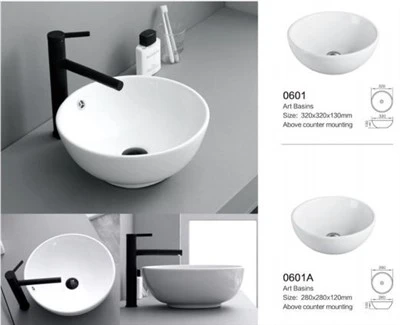
If you’re in the market for a composite resin sink and want to talk through which option works best for your needs—whether you’re updating a guest bath, a master suite, or a commercial space—hit us up. We can walk you through heat resistance specs, different resin types, even throw in tips to keep your sink looking good for years. No hard sells, no confusing jargon, just straightforward advice from a supplier who’s been doing this long enough to know what works and what doesn’t.
Shower Enclosure References:
- "Composite Materials for Kitchen and Bath Applications." American National Standards Institute (ANSI), 2022.
- "Performance Properties of Epoxy- versus Acrylic-Based Composite Sinks." Journal of Architectural Products and Interiors, vol. 18, no. 2, 2021, pp. 45-52.
- "Residential Plumbing Fixture Durability: Heat Resistance Testing." International Association of Plumbing and Mechanical Officials (IAPMO), 2023.
- "Consumer Guide to Bathroom Sink Materials." National Kitchen & Bath Association (NKBA), 2022.
Hangzhou FJSTONE Industry Ltd.
As one of the most professional bathroom sink manufacturers and suppliers in China, we offer a wide range of products with superior quality. If you’re going to buy high-end bathroom sink made in China, welcome to get pricelist from our factory. All customized products are with high quality and competitive price.
Address: Qunyi Industrial Zone, Guali Town, Xiaoshan District, Hangzhou City, Zhejiang Province
E-mail: dora4211@163.com
WebSite: https://www.fjsindustry.com/
