Can JNR be used in project management?
As a supplier of JNR, I’ve had numerous discussions with project managers, engineers, and business owners about the potential applications of JNR in project management. In this blog post, I’ll explore the viability of using JNR in project management, highlighting its benefits, challenges, and real – world applications. JNR
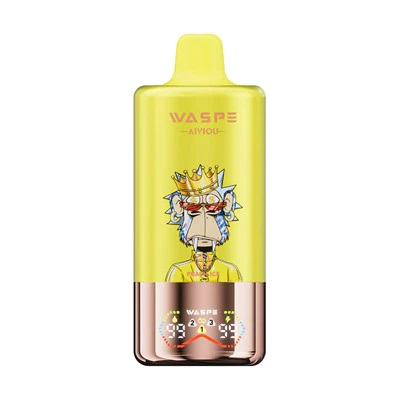
Understanding JNR
Before delving into its use in project management, it’s essential to understand what JNR is. JNR is a high – performance material with a unique set of properties. It is known for its durability, resistance to various environmental factors, and excellent electrical conductivity in certain formulations. These characteristics make it a sought – after material in many industries, from electronics to construction.
Benefits of Using JNR in Project Management
1. Cost – effectiveness
In project management, cost is always a critical factor. JNR can offer significant cost savings in the long run. Its durability means that products or structures made with JNR require less maintenance and replacement over time. For example, in a construction project, using JNR – based components can reduce the need for frequent repairs due to wear and tear, thus saving on labor and material costs associated with maintenance.
2. Quality and Performance
Projects often aim for high – quality outcomes. JNR’s inherent properties contribute to the overall quality and performance of the end – product. In an electronics project, the excellent electrical conductivity of JNR can enhance the functionality of electronic devices, leading to better performance and fewer malfunctions. This not only improves the end – user experience but also enhances the reputation of the project and the company behind it.
3. Flexibility
JNR can be molded and shaped into various forms, which provides great flexibility in project design. Whether it’s a complex architectural structure or a custom – made electronic component, JNR can be adapted to meet the specific requirements of the project. This flexibility allows project managers to explore innovative solutions and push the boundaries of traditional design.
4. Environmental Sustainability
With increasing emphasis on environmental sustainability in project management, JNR has an edge. It can often be recycled, reducing the environmental impact of a project. Additionally, its long lifespan means less waste generation compared to less durable materials. In projects where environmental compliance is a key consideration, the use of JNR can be a significant advantage.
Challenges of Using JNR in Project Management
1. Initial Cost
While JNR offers cost savings in the long run, the initial cost of purchasing JNR materials can be relatively high compared to some traditional materials. This can pose a challenge for project managers working with tight budgets. However, it’s important to conduct a cost – benefit analysis to understand the true value of JNR over the project’s lifespan.
2. Technical Expertise
Working with JNR requires a certain level of technical expertise. From handling and processing to installation, proper knowledge is essential to ensure the optimal performance of JNR. Project managers may need to invest in training for their teams or hire external experts, which can add to the project cost and complexity.
3. Supply Chain Management
Ensuring a stable supply of JNR can be a challenge. The availability of JNR may be affected by factors such as raw material shortages, production capacity, and global market conditions. Project managers need to have a robust supply chain management strategy in place to avoid delays in the project due to material shortages.
Real – World Applications of JNR in Project Management
1. Construction Projects
In the construction industry, JNR can be used in various applications. For example, it can be used in the production of building facades, where its durability and resistance to weather conditions make it an ideal choice. JNR can also be incorporated into structural elements to enhance the strength and longevity of the building. In large – scale construction projects, the use of JNR can contribute to the overall quality and sustainability of the development.
2. Electronics Projects
Electronics manufacturers often use JNR for its electrical conductivity and reliability. In the production of printed circuit boards (PCBs), JNR – based materials can improve signal transmission and reduce the risk of electrical failures. This is particularly important in high – performance electronics, such as smartphones, laptops, and aerospace electronics, where reliability is crucial.
3. Automotive Projects
In the automotive industry, JNR is used in the manufacturing of various components. For example, it can be used in the production of car interiors, where its durability and aesthetic appeal are valued. JNR can also be used in the electrical systems of vehicles to improve performance and reduce the weight of the vehicle, leading to better fuel efficiency.
Tips for Incorporating JNR into Project Management
1. Conduct a Feasibility Study
Before deciding to use JNR in a project, it’s important to conduct a feasibility study. This study should assess the technical requirements, cost – effectiveness, and potential challenges of using JNR. It should also consider the project’s specific goals and constraints.
2. Build a Knowledgeable Team
As mentioned earlier, working with JNR requires technical expertise. Project managers should ensure that their teams have the necessary knowledge and skills to handle JNR. This can be achieved through training programs or by hiring experienced professionals.
3. Establish a Strong Supply Chain
To avoid supply – related issues, project managers should establish a strong supply chain for JNR. This may involve working closely with reliable suppliers, having contingency plans in case of supply disruptions, and monitoring market conditions regularly.
Conclusion

In conclusion, JNR can be a valuable asset in project management. Its benefits, such as cost – effectiveness, quality, flexibility, and environmental sustainability, make it an attractive option for various projects. However, it also comes with challenges, such as initial cost, technical expertise requirements, and supply chain management. By carefully considering these factors and following the tips mentioned above, project managers can successfully incorporate JNR into their projects.
Rock Me If you’re a project manager or involved in a project where the use of JNR could be beneficial, I encourage you to reach out for a detailed discussion about your specific needs. We, as a JNR supplier, are committed to providing high – quality JNR materials and excellent customer service. Whether you have questions about the technical specifications, pricing, or supply options, our team of experts is ready to assist you. Don’t hesitate to contact us to start exploring how JNR can enhance the success of your project.
References
- "The Properties and Applications of High – Performance Materials" – XYZ Publishing House
- "Cost – Benefit Analysis in Project Management" – ABC Research Institute
- "Sustainable Materials in the Construction Industry" – DEF Journal of Construction Technology
- "Electrical Conductivity of Advanced Materials" – GHI Electronics Research Center
Shenzhen Ecloud Vaping Technology Co., Ltd.
As one of the leading jnr manufacturers and suppliers in China, we warmly welcome you to wholesale bulk jnr made in China here from our factory. All customized products are with high quality and competitive price. Contact us for quotation.
Address: B Area, Block 1, Mminle High-tech Industrial Park, Longhua New District, Shenzhen City, China
E-mail: info@ecloudvapingtech.com
WebSite: https://www.rmvape.com/
