Hey there tech enthusiasts! I’m a supplier of Soft OLED screens, and today I want to dig into a burning question: Is a Soft OLED screen compatible with all operating systems? It’s a query that comes up a lot, so let’s break it down and see what’s what. Soft OLED Screen
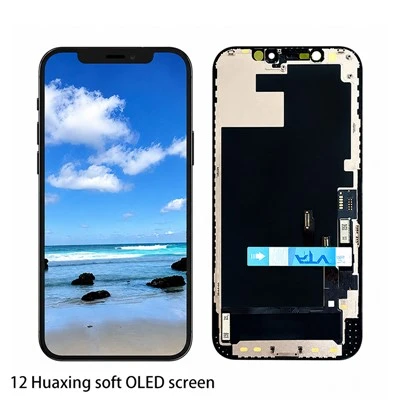
First off, let’s talk a bit about Soft OLED screens. These things are pretty amazing. They’re flexible, they’ve got great color accuracy, and the contrast levels are top – notch. The softness of the screen gives it a certain durability too. It can handle a bit more flexing and bending compared to traditional rigid displays. This makes them ideal for a whole range of devices, from smartphones to wearables.
Now, onto the big question of compatibility. It’s a complex issue because there’s no one – size – fits – all answer. Different operating systems have different requirements and capabilities, and the interaction between the Soft OLED screen and the OS is a key factor.
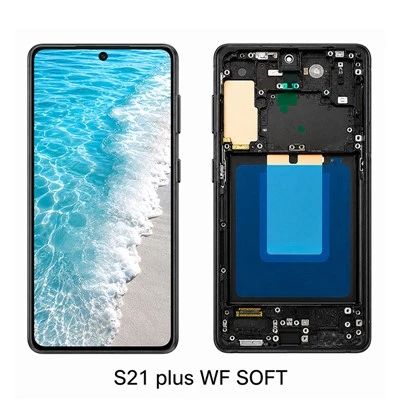
Let’s start with Android. Android is known for its openness and wide range of device support. Most Android devices, especially modern smartphones and tablets, support Soft OLED screens just fine. Android has a well – developed graphics stack that can easily handle the high – resolution and vibrant colors that Soft OLEDs offer. The OS is designed to work with a variety of display technologies, and Soft OLEDs fit right in. Whether it’s Samsung’s custom Android skins or stock Android on a Google Pixel, the Soft OLED screen can deliver a great visual experience.
One of the reasons Android is so compatible is its support for different display drivers. Manufacturers can optimize these drivers to work specifically with Soft OLED screens, ensuring smooth performance, accurate color reproduction, and proper touch response. So, if you’re an Android device maker, chances are you can use a Soft OLED screen without too many compatibility headaches.
But it’s not all smooth sailing. There can be some issues with older Android versions. For example, older Android devices might not have the necessary graphics processing power to fully take advantage of the high – end features of a Soft OLED screen. You could end up with some color discrepancies or slower refresh rates. Also, some budget Android devices might use lower – quality display drivers that don’t work as well with Soft OLEDs.
Next up is iOS. Apple is known for its tight control over its hardware and software ecosystem. iPhones and iPads with Soft OLED screens, like the iPhone X series and later, work flawlessly. Apple has put a lot of effort into optimizing its operating system to work with these screens. The color accuracy, contrast, and overall visual experience are top – notch.
Apple’s A – series chips are designed to work in harmony with the Soft OLED screens. They can handle the high refresh rates and complex graphics processing required for a smooth user experience. The iOS software is also tuned to ensure that the colors on the Soft OLED screen match Apple’s strict color standards.
However, the downside of Apple’s tight control is that it’s very difficult to use a third – party Soft OLED screen on an iOS device. Apple has built – in security features that prevent unauthorized displays from being used. So, if you’re a Soft OLED screen supplier looking to get into the Apple market, you’re going to face some significant challenges.
Then there’s Windows. Windows is a versatile operating system that runs on a huge variety of devices, from laptops and desktops to 2 – in – 1 tablets. When it comes to Soft OLED screens, the compatibility depends on the device and its hardware configuration.
On high – end laptops and tablets, Windows can support Soft OLED screens very well. Microsoft has been working on improving the color management in Windows, and the latest versions are capable of handling the high – quality visuals offered by Soft OLEDs. For example, some Windows laptops with Soft OLED screens offer features like HDR support, which enhances the viewing experience.
But again, there are problems. Some older Windows PCs might not have the right graphics cards to support Soft OLED screens. You might run into issues like low resolution, color banding, or flickering. Also, Windows has a large number of hardware configurations, and it can be tricky to ensure that every single one is compatible with Soft OLED screens.
Linux is another operating system, and it’s a bit of a wild card. Linux is highly customizable, and there are thousands of different distributions. Some Linux distributions, especially those focused on multimedia and gaming, are likely to support Soft OLED screens well. They have the necessary open – source graphics drivers and can be configured to take advantage of the screen’s features.
However, other more lightweight or specialized Linux distributions might not support Soft OLED screens out of the box. You could run into issues with getting the right drivers installed or getting the screen to work at its full potential. For example, a Linux distribution designed for use on a low – power Raspberry Pi might not have the resources to drive a high – end Soft OLED screen.
In the world of IoT (Internet of Things), the picture gets even more complicated. IoT devices can run on a wide variety of operating systems, from real – time operating systems (RTOS) to more full – fledged Linux – based systems. Compatibility with Soft OLED screens depends on the specific requirements of the IoT device.
For example, a smartwatch running a custom RTOS might not have the processing power or the software infrastructure to support a Soft OLED screen. On the other hand, a smart home control panel running a Linux – based OS could potentially support a Soft OLED screen if the device is designed that way.
So, in conclusion, a Soft OLED screen is not compatible with all operating systems out of the box. There are many factors at play, including the capabilities of the operating system, the hardware of the device, and the availability of appropriate drivers. But in most cases, with the right optimization and configuration, Soft OLED screens can work well with a wide range of operating systems.
If you’re in the market for Soft OLED screens for your devices, whether it’s Android, iOS, Windows, Linux, or IoT – related, I’m here to help. I’ve got a great selection of Soft OLED screens that can be tailored to your specific needs. Whether you need a high – resolution screen for a smartphone or a flexible screen for a wearable device, I can provide you with solutions.
If you’re interested in learning more or starting a procurement discussion, don’t hesitate to reach out. I’m looking forward to chatting with you about how we can work together to bring the best Soft OLED display solutions to your products.
Screen for Iphone References
- Samsung Display Technology Whitepapers
- Apple iOS Developer Documentation
- Microsoft Windows Compatibility Guides
- Linux Graphics Driver Communities’ Discussions and Resources
Shenzhen Longze Crossborder Ecommerce Development Co., Ltd.
Shenzhen Longze Crossborder Ecommerce Development Co., Ltd. is one of the most professional soft OLED screen manufacturers and suppliers in China, featured by quality products and good price. Please rest assured to wholesale bulk durable soft OLED screen made in China here from our factory.
Address: 302, Building B, Shengyang Technology Park, No. 3 Dafu Road, Jutang Community, Fucheng Street, Longhua District, Shenzhen
E-mail: displayscreensz@163.com
WebSite: https://www.lzphonedisplay.com/
