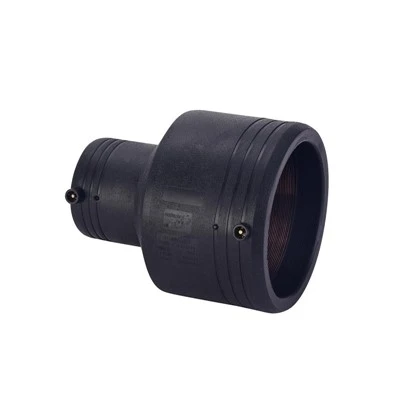
Hey there! I’m a supplier of PE electrofusion fittings, and I often get asked about installing these fittings on curved pipes. It’s a bit of a tricky task compared to straight pipes, but with the right know – how, it can be done smoothly. In this blog, I’m gonna share my experience and tips on how to install PE electrofusion fittings on curved pipes. PE Electrofusion Fittings
Understanding the Basics
First things first, we need to understand what PE electrofusion fittings are. PE stands for polyethylene, a common plastic material known for its durability, flexibility, and chemical resistance. Electrofusion fittings use an electrical current to melt the polyethylene at the joint between the fitting and the pipe. This creates a strong, leak – proof bond.
When it comes to curved pipes, the installation process needs some special considerations. Curved pipes have a non – linear shape, which means that achieving a proper fit and a good fusion is a bit more challenging. The bending radius of the pipe, the type of curve (e.g., gentle or sharp), and the size of the pipe all play important roles.
Pre – installation Checks
Before you even start the installation, there are several pre – installation checks you’ve gotta do.
Pipe Inspection
Inspect the curved pipe thoroughly. Look for any cracks, scratches, or other damages on the pipe surface. A damaged pipe can affect the quality of the fusion joint. Also, measure the diameter and bending radius of the pipe accurately. You need to make sure the PE electrofusion fitting you’ve selected is the right size and can accommodate the pipe’s curve.
Fitting Selection
Selecting the correct fitting is crucial. Not all electrofusion fittings are suitable for curved pipes. There are special fittings designed for curves, and you need to choose one that matches the pipe’s bending radius and diameter. Make sure the fitting has a smooth inner surface and that the heating elements are in good condition.
Surface Preparation
Clean the pipe and fitting surfaces. Remove any dirt, grease, or debris. You can use a clean, dry cloth to wipe the surfaces. If there are stubborn stains, you can use a mild solvent, but make sure to let it dry completely before proceeding.
Installation Steps
Now, let’s get into the actual installation steps.
Marking the Fitting Position
Use a marker to mark the position on the curved pipe where the fitting will be installed. Make sure the mark is clear and accurate. This will help you align the fitting correctly during installation.
Inserting the Fitting
Gently insert the PE electrofusion fitting onto the curved pipe. Since the pipe is curved, you may need to apply a bit of force, but be careful not to damage the fitting or the pipe. You can use some lubricant to make the insertion process easier. Just make sure the lubricant is compatible with polyethylene.
Aligning the Fitting
Proper alignment is key. Align the fitting with the marked position on the pipe. Make sure the fitting is centered and that there is no misalignment. You can use a level or other alignment tools if necessary.
Making the Electrical Connection
Once the fitting is in place, it’s time to make the electrical connection. Connect the electrofusion welding machine to the fitting according to the manufacturer’s instructions. The welding machine will provide the electrical current needed to heat the fitting’s heating elements.
Welding Process
Start the welding process by activating the welding machine. The machine will heat the heating elements in the fitting, which in turn will melt the polyethylene at the joint between the fitting and the pipe. The melting process usually takes a few minutes, depending on the size of the fitting and the pipe.
During the welding process, it’s important to monitor the machine’s parameters, such as the welding time and the voltage. These parameters are crucial for getting a good fusion joint. If the welding time is too short, the joint may not be strong enough. If it’s too long, it may overheat the polyethylene and damage the joint.
Cooling Time
After the welding is complete, let the joint cool down. Do not disturb the joint during the cooling process. The cooling time also depends on the size and type of the fitting and the pipe. Usually, it takes at least 10 – 15 minutes for the joint to cool down completely.
Post – installation Checks
Once the joint has cooled down, it’s time to do some post – installation checks.
Visual Inspection
Inspect the joint visually. Look for any signs of uneven melting, cracks, or bubbles. A good joint should have a smooth, uniform appearance.
Pressure Test
Perform a pressure test on the joint. This will help you check if the joint is leak – proof. Increase the pressure gradually and monitor for any leaks. If you find any leaks, you may need to repair or replace the joint.
Troubleshooting
Sometimes, you may encounter some issues during the installation process. Here are some common problems and how to solve them.
Poor Alignment
If the fitting is not aligned properly, it can result in a weak joint. You can try to realign the fitting before starting the welding process. If it’s already welded, you may need to cut off the joint and start over.
Overheating or Underheating
If the joint is overheated, it may show signs of charring or excessive melting. Underheating may result in a weak bond. Check the welding machine’s parameters and make sure they are set correctly. You may need to adjust the welding time or voltage.
Leakage
If you find a leak in the joint after the pressure test, check for any visible damages. If the damage is minor, you can try to repair it using a suitable repair kit. If the damage is severe, you may need to replace the fitting.
Advantages of Using Our PE Electrofusion Fittings
As a PE electrofusion fitting supplier, I can tell you that our fittings have many advantages.
High – Quality Materials
We use high – quality polyethylene materials to ensure the durability and reliability of our fittings. Our materials can withstand high pressure, corrosion, and harsh environmental conditions.
Precision Manufacturing
Our fittings are manufactured with high precision. The heating elements are evenly distributed, which ensures a uniform melting process during the installation. This results in strong, leak – proof joints.
Customization Options
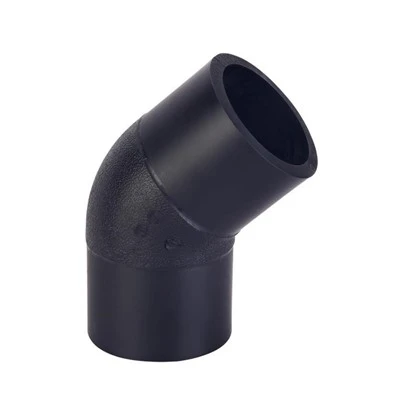
We offer customization options for our fittings. Whether you need a fitting for a special bending radius or a unique pipe size, we can manufacture it for you.
Contact Us for Procurement
PE Ball Valve If you’re in the market for PE electrofusion fittings for curved pipes or any other types of pipes, I’d love to hear from you. Our team can provide you with professional advice on fitting selection and installation. We’re committed to providing high – quality products and excellent customer service. So, don’t hesitate to reach out for a discussion and procurement.
References
- ASTM International Standards for Polyethylene Piping Systems
- Manufacturer’s Installation Guidelines for PE Electrofusion Fittings
- Industry Best Practices for Pipe Joint Installation
Zhejiang Shengbo Pipe Fittings & Valves Industry Co., Ltd.
With abundant experience, we are one of the most professional pe electrofusion fittings manufacturers and suppliers in China. Please feel free to buy discount pe electrofusion fittings from our factory. Welcome to contact us for quotation and free sample.
Address: No. 79 Hemudu North Road, Hemudu Town, Yuyao City, Ningbo City, Zhejiang Province, China
E-mail: shengbo@zj-shengbo.com
WebSite: https://www.shengbofitting.com/
