Hey there! I’m a supplier in the pulp molding process, and I’m super stoked to share with you how this awesome manufacturing method works. Pulp molding is a pretty cool process that’s been around for a while, and it’s got a lot going for it, especially in today’s world where sustainability is a big deal. Pulp Molding Process
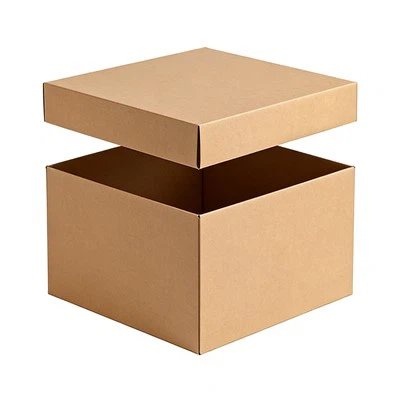
First off, let’s talk about what pulp molding is. Pulp molding is a manufacturing process that uses recycled paper or other fibrous materials to create all sorts of shapes and products. It’s widely used in packaging because it’s eco – friendly, lightweight, and can be customized to fit different items.
Step 1: Pulp Preparation
The whole process starts with pulp preparation. You can’t just take any old piece of paper and turn it into a molded product right away. First, we gather the raw materials. A big part of our raw material comes from recycled paper, like newspapers, cardboard boxes, and office paper. Using recycled paper is not only cost – effective but also great for the environment as it reduces the need for virgin wood pulp.
We start by shredding the paper into small pieces. This makes it easier for the next step. Then, these shredded pieces are mixed with water in a large pulper. The pulper is like a giant blender that agitates the paper and water mixture. As it spins, the paper breaks down into individual fibers, creating a thick, soupy mixture called pulp.
To make sure the pulp has the right properties for molding, we sometimes add some additives. These additives can improve things like the strength, stiffness, or water resistance of the final product. For example, we might add a small amount of starch to increase the strength of the pulp.
Step 2: Molding
Once the pulp is ready, it’s time for the molding process. This is where the magic happens, and we start to see the shape of the final product taking form.
We use special molds for this step. These molds are designed according to the shape and size of the product we want to make. For example, if we’re making egg cartons, the molds will have the little cup – like shapes to hold the eggs.
The molding process usually takes place in a molding machine. There are different types of molding machines, but the basic principle is the same. The machine has a mold that is dipped into the pulp mixture. As the mold is dipped, a layer of pulp is deposited on the surface of the mold. The excess water is then drained away through small holes in the mold.
There are two main types of molding: wet molding and dry molding. In wet molding, the mold is dipped into the pulp, and then the excess water is removed by pressing or suction. This is a common method for making products that need a high level of detail, like small, intricate packaging.
Dry molding, on the other hand, involves spraying the pulp onto the mold. This method is often used for larger products or when a more even distribution of pulp is required.
Step 3: Drying
After the molding process, the newly formed pulp product is still very wet. So, the next crucial step is drying. Drying is important because it removes the remaining water from the pulp, making the product strong and stable.
There are a few different ways to dry the pulp products. One common method is using a drying oven. The wet products are placed on trays and put into the oven. The oven heats the products, and the water evaporates. The temperature and time in the oven are carefully controlled to ensure that the products dry evenly without warping or cracking.
Another method is using a hot press. A hot press applies both heat and pressure to the wet pulp product. This not only dries the product faster but also compresses it, making it more dense and stronger.
Step 4: Trimming and Finishing
Once the products are dry, they might need a little bit of trimming. During the molding and drying process, there might be some excess pulp or rough edges on the products. Trimming gets rid of these unwanted parts and gives the product a clean, professional look.
We use cutting tools, like knives or lasers, to trim the products. The trimmed pieces can actually be recycled back into the pulp preparation process, so nothing goes to waste.
After trimming, we might also do some finishing touches. This could include adding a coating to make the product more water – resistant or adding some branding or labels.
Benefits of Pulp Molding
Now that you know how the pulp molding process works, you might be wondering why it’s such a popular choice. Well, there are several reasons.
First of all, it’s incredibly sustainable. As I mentioned earlier, we mainly use recycled paper as our raw material. This helps reduce the amount of waste going to landfills and also saves trees. In a time when environmental concerns are at the forefront, using a sustainable manufacturing process is a big plus.
Secondly, pulp molding is very versatile. We can make all sorts of products with it, from simple egg cartons to complex packaging for electronics. The molds can be easily customized, so we can create products that fit the exact needs of our customers.
It’s also cost – effective. The raw materials are relatively inexpensive, and the manufacturing process doesn’t require a huge amount of energy compared to some other manufacturing methods. This means that we can offer our products at a competitive price.
Why Choose Us as Your Pulp Molding Supplier?
As a pulp molding supplier, we’ve got a lot to offer. We’ve been in the business for quite a while, and we’ve gained a lot of experience. We know how to handle the pulp molding process from start to finish, and we can ensure that the products we make are of the highest quality.
We’re also really committed to sustainability. We not only use recycled materials but also try to minimize waste and energy consumption in our production process. So, if you’re a company that cares about the environment, we’re the perfect partner for you.

Our team is super flexible and responsive. We understand that every customer has different needs, and we’re always willing to work with you to come up with the best solution. Whether you need a small batch of custom – made packaging or a large – scale production run, we can handle it.
Let’s Get in Touch
Recycled Paper Packaging If you’re interested in our pulp molding products or want to know more about the process, don’t hesitate to reach out. We’re always excited to talk to potential customers and show them what we can do. Whether you have a specific product in mind or just some general questions, we’re here to help. Just start a conversation with us, and let’s see how we can work together to meet your packaging needs.
References
- "Pulp Molding Technology Handbook", Industry Publishing Group
- "Sustainable Packaging Solutions", Environmental Research Institute
- "Advances in Pulp Molding Manufacturing", Manufacturing Science Journal
Dongguang K.B.D Pulp Mould Package Products Co., Ltd.
We are one of the most experienced pulp molding process manufacturers and suppliers in China, specialized in providing high quality products and service. Please feel free to buy bulk customized pulp molding process from our factory. For quotation and free sample, contact us now.
Address: No.4 Caimei 1st Road, Longjiantian Country, Huangjiang Town, Dongguan, China
E-mail: Kevin.wang@kbd.com.cn
WebSite: https://www.kbd-pack.com/
