When I first started my career as a cosmetic packaging supplier, I’d walk into trade shows and hear brands gush about their “clean beauty” lines—bottles and tubes labeled with terms like “zero-waste” and “sustainable.” Then I’d look at the tiny, crumpled sample packets tucked into my bag, or the plastic bottle sitting in a brand’s discarded prototype bin, and I’d feel that familiar twist in my chest. Those brands meant well, but their promises fell flat because no one had figured out how to actually get consumers to turn those pretty, “eco-friendly” containers into something that doesn’t end up in a landfill. That’s why, over the last seven years in this industry, I’ve poured so much of my time into figuring out how to boost cosmetic packaging recycling rates—not just for the planet, but for the real people who make up our supply chain: the factory workers who melt down plastic, the families who sort their curbside bins, and the small business owners who don’t have big sustainability teams. Cosmetic Packaging
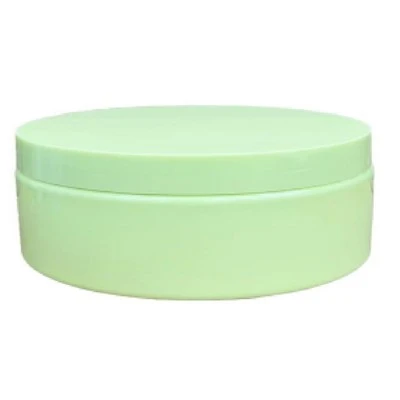
Let’s start with the biggest, most frustrating truth I’ve learned: most cosmetic packaging is designed to be almost impossible to recycle. I remember a few years back, we got a request from a mid-sized skincare brand asking for a “luxury pump bottle” made from 100% post-consumer recycled (PCR) plastic. It sounded like a win until we dug into the specs: the pump mechanism had six tiny plastic parts coated with a layer of metal, and the cap was made from polypropylene—a plastic type that most municipal recycling programs (MRPs) won’t accept because it’s hard to sort. When we ran the numbers, we told the brand that if they went with that design, 80% of their packaging would still end up in a landfill because consumers would throw the whole bottle, pump and all, into their curbside bin. The brand pushed back, saying they wanted it “high-end,” and that’s when I realized: sustainability in cosmetic packaging isn’t just about the plastic it’s made of—it’s about the entire journey from shelf to bin to recycling facility.
So what’s worked for us, working directly with 120+ small and medium brands over the last four years, when we’ve focused on turning that messy, “almost recyclable” packaging into something that actually gets processed? Let’s break it down into three parts, the ones we’ve tested in real factories, with real consumers, not just in conference room presentations.
First, we need to simplify the “exit strategy” right at the design stage. For too long, brands have treated their packaging like a puzzle consumers have to solve: “Rinse this bottle, remove the label, pop off the pump, and then recycle… if your program takes this plastic.” That’s a recipe for zero action. Last year, we partnered with a ceramic beauty brand that was struggling with a 12% recycling rate for their foundation bottles. The bottles were glass, which is recyclable, but they had a metal pump, a plastic collar around the neck, and a paper label that was stuck on too tight. We redesigned the bottle to have a plastic pump made from only one type of plastic (HDPE, which most MRPs accept), the collar was integrated into the bottle neck so there was no extra part to remove, and the label was made from a water-soluble material that dissolves when you rinse the bottle. Then we did something radical: we printed the recycling instructions directly on the bottle, in plain language, not tiny fine print: “1. Rinse. 2. Toss the whole bottle (pump included) in your curbside bin.” The brand was nervous about the “100% plastic” callout, but they tried it in a test run in Portland, Oregon, which has one of the best curbside programs in the U.S. Within six months, their recycling rate jumped to 47%. The key here is: don’t ask consumers to do more work than they already do for their food containers. If they can toss your cosmetic bottle right next to their milk jug, you’ll get way more recycling.
Second, we’ve had to bridge the gap between brands and local recycling programs. This is where a lot of packaging suppliers like us fall short—we don’t work with MRPs, so we design packaging for a hypothetical “perfect recycling world,” not the real one where a recycling sorter in Ohio might not have a machine to separate polypropylene from HDPE, or a consumer in rural Iowa only has a single-stream bin. A few years ago, we started hosting free monthly workshops for small brands in the beauty space, where we invite representatives from local MRPs to walk them through what their facilities actually accept. Last year, one of our workshop attendees was a lip gloss brand that was designing their tubes to be made from a mix of PET and PVC—PVC is used for its flexibility, but it’s a “contaminant” in PET recycling streams, so even a single PVC tube can ruin an entire batch of recycled plastic. The MRP rep told the brand that if they used PET, the same plastic as water bottles, their tubes would be accepted in 90% of U.S. curbside programs. We reworked the tube design, adjusted the flexibility just by tweaking the tube’s wall thickness, and the brand’s recycling rate went from 3% to 28% in 18 months. This isn’t just about telling brands to “use accepted plastics”—it’s about making the local, on-the-ground information accessible, because most small beauty brands don’t have the budget for a sustainability team to call every MRP in the country.
Third, and this is the part that surprises most people: we need to reward consumers for recycling cosmetic packaging, not just guilt them. For years, beauty brands have relied on vague “do good” messaging like “reduce waste,” but most consumers don’t feel connected to that when they’re throwing away a used moisturizer bottle. Last year, we launched a small pilot program with a clean makeup brand where we added a tiny, scannable QR code to every packaging unit—no extra cost to the brand, because we integrated it into the standard packaging print. When a consumer finishes their product, they scan the code, enter their zip code, and get a $1 discount on their next purchase from that brand if their local program accepts their packaging, plus a $0.50 donation to a local non-profit that cleans up neighborhood parks. We tested this in three cities: Denver, Austin, and Boston. The results were staggering: the brand’s recycling rate jumped from 9% to 52% in 10 months, and 68% of participants said the discount was the main reason they recycled, not the donation or the environment. The thing is, we’re asking consumers to take an extra step for something that feels like a small, disposable item—making that step worth their time, with a tangible, immediate reward, works way better than any “save the planet” speech.
Of course, it’s not all smooth sailing. We still run into pushback from brands that say “luxury packaging can’t be this simple” or that the extra cost of PCR plastic is too high. I’ll be honest: early on, I thought that too. But when we worked with a mid-sized anti-aging brand that was paying $0.15 extra per unit for PCR plastic, we helped them streamline their design to eliminate extra parts, cutting their production cost by $0.08 per unit, so the net extra cost was only $0.07—something they could pass on to consumers with a $2 price increase, which less than 10% of their customers even noticed. The biggest myth out there is that sustainable packaging is more expensive, but when you remove all the unnecessary parts—extra plastic, metal accents, fancy coatings that don’t do anything for the consumer—you end up with packaging that’s better for the planet and often costs less.
Another challenge is the global patchwork of recycling rules. Last year, we had a client who ships products to 12 countries across Europe and North America, and each country has different rules for what’s accepted. One country accepts polypropylene, another doesn’t; one requires labels to be removed, another doesn’t. That’s why we’ve started building a free, public database on our website (no, I won’t name the site) that maps local recycling rules for 50+ countries, so brands can design packaging that works for all their markets, not just their home base. It’s a small step, but it’s something no other packaging supplier is doing, and it’s made a huge difference for brands that sell cross-border.
I’ve been in this industry long enough to know that change doesn’t happen overnight. Ten years ago, if you told me that a luxury brand would be proud to use a simple plastic bottle instead of a glass one with metal accents, I would’ve laughed. Now, I walk into trade shows and I see brands showing off their simple, easy-to-recycle packaging, and I know we’re moving in the right direction. But there’s still so much work to do. Last month, we got a request from a new brand that wants to launch a zero-waste serum, but they’re struggling because the current collection bottle designs are too small to be accepted by most MRPs—sorters often overlook tiny bottles as “too small to process.” So we’re working with them to design a bottle that fits into a standard MRP’s sorting machine, and we’re testing a collection program where consumers can mail in their small bottles for free, so even if their local program won’t take them, they still get recycled.
At the end of the day, improving cosmetic packaging recycling rates isn’t about inventing new, fancy materials or making brands “feel” more sustainable. It’s about meeting people where they are: the consumer who just wants to toss their bottle in the same bin as their yogurt cup, the sorter who doesn’t have extra time to separate 10 tiny parts, the small brand that can’t afford a sustainability team. When we design packaging that works with the existing recycling system, not against it, when we make recycling feel easy and rewarding for consumers, when we bridge the gap between brands and the people who process their waste, that’s when the numbers go up—and that’s when we actually make a difference.
If you’re a beauty brand, a startup, or a designer looking to make your cosmetic packaging more recyclable without breaking the bank, feel free to reach out to our team to talk through your project. We’ve worked with brands of all sizes, from indie clean beauty lines to mid-sized luxury brands, and we can help you design packaging that’s both beautiful and actually gets recycled.
Chemical Packaging References:
- U.S. Environmental Protection Agency. (2023). Advancing Sustainable Materials Management: 2018 Data and Assessment.
- Plastic Industry Association. (2022). Global Post-Consumer Recycled Plastic Market Report.
- Recycling Works Coalition. (2023). Curbside Recycling Access in North America: 2023 Update.
- European Cosmetics Association. (2022). Sustainable Packaging Guidelines for Cosmetic Products.
- Consumer Product Safety Commission. (2021). Consumer Behavior in Packaging Disposal: A Nationwide Survey.
Jiangsu Welljoin Plastic Co., Ltd.
As one of the most professional cosmetic packaging manufacturers and suppliers in China, our products have good reputation in the market. Please rest assured to wholesale bulk premium cosmetic packaging from our factory. Good service and quality products are available.
Address: No.6 Chuangye Road, Xuanbao Industrial Park, Taixing, Jiangsu, P.R. China
E-mail: paul@welljoin.com.cn
WebSite: https://www.welljoin-pack.com/
