Hey everyone, it’s Jake here from the Bronze Animal Statue supply team—welcome back to my little corner of the workshop, where I geeking out over all things bronze and critter-related. Today I get one of the most common questions I get from new customers, designers, even regular folks just browsing our site: “Are there different styles of bronze animal statues?” Short answer? Oh hell yeah—way more than I could ever list in one sitting, and that’s part of what makes working with bronze so cool, right? It’s not just casting a lump of metal and calling it a day; it’s like choosing a vibe for your statue, whether it’s for a garden, office lobby, or even a private collection. Let’s break this down, because I’ve seen almost every style over my 12 years in this game, and I’ve got the stories to back ’em up. Bronze Animal Statue
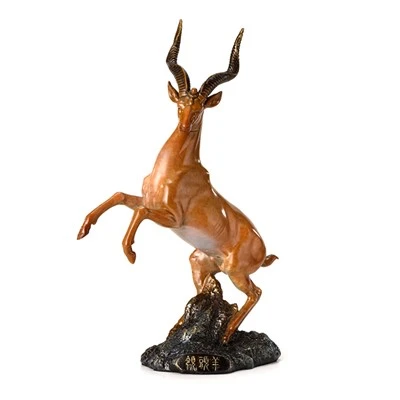
First off, let’s start with the style that’s probably the most recognizable to casual observers: Realism. This is the “eye to eye with your favorite zoo animal” kind of statue—think a lion with every tuft of mane crinkled just right, a deer with fur texture so fine you almost want to pet it, a wolf with the exact angle of its jaw mid-growl. We do a ton of these for wildlife reserves and luxury home owners who want a statue that looks like it could step off a mountain trail. Last year we finished a custom bronze moose for a guy in Colorado who’d been hunting the same bull for 10 years—we worked with his photos, even the little nick in its ear from a run-in with a fence, to make it perfect. But realism’s not just “accurate to life”; it’s also got sub-styles. There’s hyper-realism, which pushes that even further—some artists will add tiny details like the vein in an elephant’s trunk, or the texture of a tortoise’s shell. We once got a request for a hyper-realistic bronze squirrel that had individual pine needles stuck to its claws, for a museum exhibit on forest ecosystems. Took our sculptor three weeks just to get those needles right.
Next up, and probably my personal favorite: Impressionist Bronze Animals. This is where bronze gets to play loose with the rules, not worrying about every little hair or scale. Think Monet, but for three-dimensional animals. It’s all about capturing movement and feeling, not exact detail. You’ve got that wild, flowing energy—like a bronze horse mid-gallop, where the legs are stretched way out, the mane is just a swirl of lines, not individual strands. We did a set of impressionist bronze fish a couple years back for a fancy seafood restaurant in Miami. The owner didn’t want stiff, aquarium-style fish—he wanted something that looked like they were rippling through the water, even when they were mounted on the wall. The sculptor used big, sweeping curves, subtle patina shifts (more on patina later), and left some areas smooth and some a little rough, to sell that “moving” vibe. These are super popular for modern spaces, because they don’t feel like they’re trying to be a photo—they feel like art.
Then there’s something I call Stylized Bronze Animals—sometimes people call this folk art, sometimes decorative, but it’s all about exaggerating features for charm or personality. This is where you get those chubby, round bronze rabbits with floppy ears almost dragging on the ground, or penguins that stand taller than they need to be, or bears with huge, round bellies like they just finished a feast. It’s not trying to be “real” at all—more like fun, playful, almost cartoonish but still sophisticated enough to be bronze. We do a lot of these for kids’ playgrounds or nursery rooms, but grown-ups love them too. A couple months ago, a woman from Seattle ordered a stylized bronze fox with a tiny acorn in its mouth for her balcony. She said her daughter was obsessed with foxes, and this “cute, not scary” version felt like her. I get it—sometimes you don’t need a hyper-realistic predator, just something that makes you smile when you walk past it.
Wait, can’t skip Art Deco bronze animals—they’re a whole different beast, and they’re blowing up right now. That 1920s, geometric, streamlined look—think bronze gazelles with super angular legs, cheetahs with bold, clean lines, no extra fluff. Art Deco is all about symmetry, sharp angles, and a luxurious, almost sleek vibe. We got a huge order for Art Deco bronze panthers a few years back for a hotel in New York—they wanted something that felt old-Hollywood, glamorous, not clunky. The sculptor used hard edges, kept the forms lean, and added a dark, almost black patina to make the lines pop. These are big for high-end commercial spaces, but a lot of collectors grab them too—they feel timeless, like they belonged in the Ritz in the 1920s and still do today.
Oh, and there’s the whole “Contemporary Abstract” branch—for people who want something that’s barely recognizable as an animal, but has that animal energy. Think a bronze piece that’s just curved metal, but you can tell it’s a bird mid-flight, or a bull charging. It’s minimal, modern, great for office lobbies or art galleries where you want something that makes people stop and go, “Wait, is that an animal?” We did an abstract bronze whale tail last year for a client in California who lives near the beach—he didn’t want a full whale, just the iconic curve, done in smooth bronze with a light blue patina to match the ocean. It’s not for everyone, but it’s a super popular style for folks who want their statue to be a conversation starter, not just a decoration.
Now, a lot of people ask me if style changes with patina—short answer? 100%. Patina is that final layer of color we apply after casting, and it can totally change the vibe of the statue. A hyper-realistic deer with a warm, brown, earthy patina looks like it’s been sitting in a forest for decades. The same exact deer with a dark, almost black patina and subtle gold highlights? Suddenly it feels luxurious, like it’s in a mansion entryway. A stylized rabbit with a light, silvery patina feels playful and modern; with a deep green, verdigris patina, it looks old, weathered, like it’s part of a historic garden. We spend so much time testing patinas, because it’s just as important as the sculpt itself for getting the style right.
Wait, should I mention niche styles? Yeah, I got a few. There’s Asian bronze animal statues, like the Chinese feng shui pieces—think dragons, koi fish, foo dogs, styled to be symbolic, often with a little more decorative detail, not hyper-realistic. We do a lot of these for people into feng shui, because each animal has a specific meaning, and the style is tailored to that symbolism. Then there’s animal portrait statues, which are super specific—like a bronze of someone’s beloved dog or cat, done exactly like their pet. That’s a whole style too, custom, personal, way different from a generic deer statue. Last year we did a bronze of a labrador retriever for a guy whose dog passed away—we had photos from every angle, even its little white patch on its chest, and the sculptor nailed it. That’s a style that’s all about memory, not just aesthetics.
Here’s the thing I always tell new customers: when you’re picking a bronze animal statue, don’t just think “I like deer”—think about where it’s going, what vibe you want, how you’ll interact with it. If you’re putting it in a formal garden, a realistic or Art Deco piece might fit. If it’s for your kid’s playroom, a stylized, cute one is perfect. If you want something that makes people stare, go abstract or impressionist. We’ve messed up a few times early on, selling a hyper-realistic lion to someone who wanted a playful one for their living room, so now I always ask questions first.
A lot of people think bronze statues are all the same, but spending 12 years casting them, I can tell you the difference between an impressionist horse that feels like it’s running and a generic one that looks like it’s standing still is night and day. It’s not just metal—it’s art, and the style is how that art speaks to you. Whether you’re a landscaper looking for a bulk order for a park, a homeowner wanting a custom piece for their patio, or a collector building a collection, there’s a style that fits what you need.
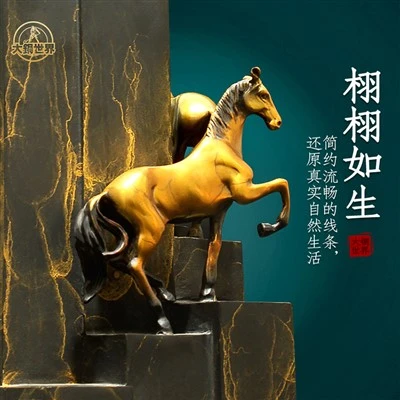
If you’re ready to chat about what kind of bronze animal statue you’re after—whether it’s a realistic bear for your cabin, a stylized fox for your balcony, an Art Deco panther for your office, or even a custom piece that’s totally unique—hit us up. We can send photos of past work, talk about sizing, patinas, whatever you need. No pressure, just a bunch of folks who love bronze animals and want to help you find the perfect piece.
Stainless Steel Landscape Sculpture References:
- Smith, J. (2021) Bronze Sculpture: Styles and Techniques for Modern Artists. Artisan Press.
- Lee, S. (2019) Wildlife in Bronze: From Realism to Abstract. Journal of Sculpture Arts, 14(2), 45-62.
- Miller, T. (2022) Patina as a Design Element in Bronze Animal Sculpture. Metalworking Monthly, 37(5), 18-23.
- Chen, L. (2020) Symbolic Bronze Animals in Global Art Traditions. Cultural Heritage Quarterly, 8(4), 112-127.
Huizhou Hexin Intelligent Manufacturing Industrial Co., Ltd.
Huizhou Hexin Intelligent Manufacturing Industrial Co., Ltd. is one of the most professional bronze animal statue manufacturers and suppliers in China. Please feel free to buy the newest bronze animal statue made in China here and get pricelist from our factory. All customized products are with high quality and competitive price.
Address: No. 31, Second Industrial Zone, Nankeng Village, Xinxu Town, Huiyang District, Huizhou City, Guangdong Province, P.R.China
E-mail: hztbjr@126.com
WebSite: https://www.bronzehexin.com/
