As a baby care supplier, I talk to tons of new parents every week, and one question comes up more than any other: “Am I swaddling my baby right?” It makes total sense—swaddling feels like such a small thing, but when you’re holding a tiny, squirming newborn, getting it wrong can make both of you stressed. I’ve seen parents wrap their little ones so tight they look like a burrito with no room to move, and others who just drape a blanket over them like a towel, wondering why their baby won’t settle. After years of watching what works (and what doesn’t) with real families, here’s the lowdown on the proper way to swaddle a baby—no fancy jargon, just straight-up stuff that makes sense for both you and your little one. Baby Care
First, let’s get the basics: Why do we swaddle in the first place? Newborns just spent 9 months squished in your womb, where their arms and legs were tight against their bodies. When they’re born, that arms-flailing, startle reflex (the Moro reflex, if you want to get technical) can jolt them awake right when they’re finally nodding off. A good swaddle mimics that cozy womb feeling, helps them sleep longer, and cuts down on fussy midday (and midnight) meltdowns. But it’s not a one-size-fits-all move—age and safety matter way more than most people realize.
Wait, safety first—let’s knock that out early, because I can’t stress this enough. Swaddling is only for babies up to around 2 months old, right? Once they start rolling over (usually around 3 or 4 months), swaddling becomes a safety no-go. If they can roll, they might get stuck on their stomach and can’t push their face up to breathe. I’ve had a parent come in panicking because their 5-month-old rolled over in a swaddle they’d used for months, so we always tell folks to ditch swaddles once that rolling milestone hits. Also, never use loose blankets—they can bunch up near a baby’s face and cause suffocation. That’s why so many of our swaddle blankets come with built-in wings or are made with stretchy, breathable fabric—no loose corners to worry about. And always put baby to sleep on their back, swaddled or not. That’s a non-negotiable from pediatricians, and we never push products that go against that.
Now, the step-by-step that works every single time. I’ve tested this with hundreds of babies (yes, really—we have a little play area in our store for testing gear, and it’s the cutest job ever) and it’s simple enough to get right even when you’re tired at 2 a.m. Here’s how to do it in 5 quick moves, no fancy skills needed:
- Lay out your swaddle blanket flat. Grab a thin, stretchy swaddle (not a heavy fleece one—newborns get warm fast) and fold it into a diamond shape. Then fold the top corner down about 6 inches, so you have a straight line across the middle. This is your “head level” mark, super important so you don’t wrap it too high.
- Position your baby. Lay your baby on their back on the blanket, right under that folded top line. Their neck should be just above the folded edge—no part of their face is under the blanket, easy peasy.
- Tuck one arm in (or both, if that’s what baby likes). Take the left side of the blanket, pull it tight across baby’s body, and tuck it under their right side, making sure it’s snug but not squeezing their chest. A good rule of thumb: you should be able to fit one hand between the blanket and baby’s chest—they shouldn’t huff or feel constricted. Then do the same with the right side: pull it across baby’s other arm, tuck it under their left side. If your baby hates having their arms tucked, that’s fine too—we make swaddles with arm slots now, so they can have one arm free and still feel cozy.
- Wrap the bottom. The last piece is the foot part. Take the bottom corner of the blanket, pull it up gently between baby’s legs (like you’re tucking a little bottom into a cozy) and tuck any extra fabric around their sides. This leaves their legs a little loose, not straight up against their body. Why? Because tight leg swaddles can cause hip issues later—pediatricians tell us babies need room to bend their knees and hips, so this loose foot wrap is key. I’ve seen so many parents wrap their baby’s legs so tight they look like a cylinder, and that’s a no-no.
- Adjust and check. Give the swaddle a little shake to make sure it’s not too tight around the chest or neck. You should be able to slide one finger under the fabric at the shoulders and the legs. If it’s too loose, it can come undone in the night; too tight, and baby can’t move or breathe easy.
Now, let’s talk about what you should avoid, because I see these mistakes all the time. First, don’t use a blanket that’s too big. A big swaddle can wrap around baby’s face, which is a suffocation risk. Our swaddle blankets are sized just right for newborns—they’re stretchy so they fit snug without being bulky. Second, don’t swaddle too tight around the chest. Newborns breathe faster than adults, and a tight swaddle can make it hard for them to take deep breaths. I once had a parent come in with a swaddle that was so tight baby’s tummy was squished, and the little guy was spitting up nonstop—loosening the chest area fixed it right up. Third, don’t force swaddling if your baby hates it. Some babies just prefer to have their arms free, and that’s totally okay—we make sleep sacks that are like a swaddle but with no arm restrictions, so it’s still cozy without the wrap.
Wait, also—what about temperature? That’s a big one. Newborns can’t regulate their body temp great, so a swaddle that’s too warm can lead to overheating. A good rule: dress your baby in one extra layer than you’d wear in the same room. If you’re in a short-sleeve shirt, put them in a onesie under the swaddle. If it’s cold, a thin long-sleeve onesie is enough—no heavy layers. Our swaddles are made with breathable, moisture-wicking fabric, so they don’t trap sweat, which helps with overheating. I’ve had so many parents tell us their baby sleeps longer when they use the right fabric vs. a cotton blanket that gets damp.
Another thing I get asked a lot: can swaddles cause developmental issues? If you do it right, no. The key is leaving the legs loose enough for them to move their hips and knees. Old advice used to be to wrap legs straight, but modern pediatrics says that’s bad for hip dysplasia, so that loose foot wrap we talked about is a must. Our swaddle design takes that into account—we don’t make swaddles that force legs into a straight position. We work with pediatric physical therapists to test our products, so we know they’re safe and good for baby’s development.
Let’s switch gears a little—from doing it right to what happens when swaddling isn’t working. Some babies just won’t stay swaddled. Maybe they twist and turn, get their arms out, or cry as soon as you wrap them. That’s normal. Our go-to tip for that is a swaddle with Velcro closures instead of ties—way easier to adjust, and if baby gets a little arm out, you can tuck it back without redoing the whole wrap. We’ve had so many parents say the Velcro swaddles cut their middle-of-the-night swaddle time in half. Also, if you’re having trouble, try swaddling when baby is drowsy, not wide awake—they’re less likely to fight it.
Now, as a baby care supplier, I don’t just sell products—I talk to parents about what works, and I know that a good swaddle makes such a difference for everyone. I’ve seen new parents who were up every hour for a week start sleeping through the night once they got the swaddle right. It’s not magic, but it’s the small, consistent thing that helps. That’s why we focus on making swaddles that are easy to use, safe, and fit the way they should—no complicated steps, no loose fabric, just stuff that works for real life.
Wait, let’s circle back to that safety rule about rolling. Once your baby starts rolling, stop swaddling. Even if they were swaddled like a champ before, once they can flip over, the swaddle can trap them. Our team always reminds parents to watch for that first roll—usually around 3 or 4 months—and then switch to a sleep sack that’s open around the arms, so they can move freely. We even make transition swaddles that you can unzip one arm at a time, so it’s a gradual switch, not a hard stop. That’s a lifesaver for babies who hate change.
Also, let’s talk about washing—because swaddles get spitty, peed on, and covered in milk. You don’t want to use a swaddle that gets all stretchy and loose after a few washes, right? Our swaddles are made with fabric that stays stretchy after dozens of washes, so they work for weeks, not just a few uses. We recommend washing them in mild detergent, no fabric softener—fabric softener can make the fabric less breathable, which defeats the purpose.
I’ve heard a lot of parents say they’re scared of swaddling because they’ve heard horror stories, but when you do it right, it’s one of the easiest ways to help your newborn feel secure. The biggest mistake I see is overcomplicating it. You don’t need a fancy video or a 10-page guide—just that diamond fold, tuck the arms loosely, leave the legs free, and check that you can fit a hand under the chest. If you’re still unsure, our team at the store is always happy to walk you through it, no pressure.
Now, if you’re a parent who’s been struggling with swaddling, or you just want to find a swaddle that fits your baby’s needs, we’re here to help. We work with families, hospitals, and daycare centers to make sure our products are safe and work for every baby—from preemies to full-term, from fussy sleepers to easy ones. If you’re a retailer or a childcare facility looking to stock baby care supplies that parents actually trust, we can chat about bulk ordering too. We make it easy to get the right products for your needs, no weird hoops to jump through.
At the end of the day, swaddling isn’t about being perfect—it’s about making your baby feel safe, so both of you can get some rest. It’s a small ritual, but it’s one that builds that bond between you and your little one, too. So don’t stress if it takes a few tries to get it right—even I messed up a swaddle with my own kid (forgot to leave the legs loose, oops) the first time. Practice makes it way easier, and when you find the right swaddle and the right way to wrap it, it’ll become part of your bedtime routine that you look forward to.
If you have more questions about swaddling, or you want to check out the swaddles we’ve tested and love, feel free to reach out to our team to talk through your needs. We’re all about making baby care simpler, so you can focus on the good stuff—snuggles, late-night talks, and watching your little one grow.
References
American Academy of Pediatrics (AAP). (2023). Safe Sleep Recommendations for Infants.
Honda, S., et al. (2021). Developmental Considerations in Newborn Swaddling. Journal of Pediatric Orthopaedics.
National Institute of Child Health and Human Development (NICHD). (2022). Newborn Care Basics: Swaddling Safety and Benefits.
World Health Organization (WHO). (2020). Infant Sleep and Safe Sleep Environments.As a baby care supplier, I talk to tons of new parents every week, and one question comes up more than any other: “Am I swaddling my baby right?” It makes total sense—swaddling feels like such a small thing, but when you’re holding a tiny, squirming newborn, getting it wrong can make both of you stressed. I’ve seen parents wrap their little ones so tight they look like a burrito with no room to move, and others who just drape a blanket over them like a towel, wondering why their baby won’t settle. After years of watching what works (and what doesn’t) with real families, here’s the lowdown on the proper way to swaddle a baby—no fancy jargon, just straight-up stuff that makes sense for both you and your little one.
First, let’s get the basics: Why do we swaddle in the first place? Newborns just spent 9 months squished in your womb, where their arms and legs were tight against their bodies. When they’re born, that arms-flailing, startle reflex (the Moro reflex, if you want to get technical) can jolt them awake right when they’re finally nodding off. A good swaddle mimics that cozy womb feeling, helps them sleep longer, and cuts down on fussy midday (and midnight) meltdowns. But it’s not a one-size-fits-all move—age and safety matter way more than most people realize.
Wait, safety first—let’s knock that out early, because I can’t stress this enough. Swaddling is only for babies up to around 2 months old, right? Once they start rolling over (usually around 3 or 4 months), swaddling becomes a safety no-go. If they can roll, they might get stuck on their stomach and can’t push their face up to breathe. I’ve had a parent come in panicking because their 5-month-old rolled over in a swaddle they’d used for months, so we always tell folks to ditch swaddles once that rolling milestone hits. Also, never use loose blankets—they can bunch up near a baby’s face and cause suffocation. That’s why so many of our swaddle blankets come with built-in wings or are made with stretchy, breathable fabric—no loose corners to worry about. And always put baby to sleep on their back, swaddled or not. That’s a non-negotiable from pediatricians, and we never push products that go against that.
Now, the step-by-step that works every single time. I’ve tested this with hundreds of babies (yes, really—we have a little play area in our store for testing gear, and it’s the cutest job ever) and it’s simple enough to get right even when you’re tired at 2 a.m. Here’s how to do it in 5 quick moves, no fancy skills needed:
- Lay out your swaddle blanket. Grab a thin, stretchy swaddle (not a heavy fleece one—newborns get warm fast) and fold it into a diamond shape. Then fold the top corner down about 6 inches, so you have a straight line across the middle. This is your “head level” mark, super important so you don’t wrap it too high.
- Position your baby. Lay your baby on their back on the blanket, right under that folded top line. Their neck should be just above the folded edge—no part of their face is under the blanket, easy peasy.
- Tuck one arm in (or both, if that’s what baby likes). Take the left side of the blanket, pull it tight across baby’s body, and tuck it under their right side, making sure it’s snug but not squeezing their chest. A good rule of thumb: you should be able to fit one hand between the blanket and baby’s chest—they shouldn’t huff or feel constricted. Then do the same with the right side: pull it across baby’s other arm, tuck it under their left side. If your baby hates having their arms tucked, that’s fine too—we make swaddles with arm slots now, so they can have one arm free and still feel cozy.
- Wrap the bottom. The last piece is the foot part. Take the bottom corner of the blanket, pull it up gently between baby’s legs (like you’re tucking a little bottom into a cozy) and tuck any extra fabric around their sides. This leaves their legs a little loose, not straight up against their body. Why? Because tight leg swaddles can cause hip issues later—pediatricians tell us babies need room to bend their knees and hips, so this loose foot wrap is key. I’ve seen so many parents wrap their baby’s legs so tight they look like a cylinder, and that’s a no-no.
- Adjust and check. Give the swaddle a little shake to make sure it’s not too tight around the chest or neck. You should be able to slide one finger under the fabric at the shoulders and the legs. If it’s too loose, it can come undone in the night; too tight, and baby can’t move or breathe easy.
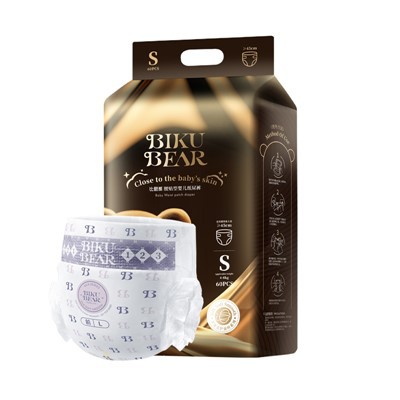
Now, let’s talk about what you should avoid, because I see these mistakes all the time. First, don’t use a blanket that’s too big. A big swaddle can wrap around baby’s face, which is a suffocation risk. Our swaddle blankets are sized just right for newborns—they’re stretchy so they fit snug without being bulky. Second, don’t swaddle too tight around the chest. Newborns breathe faster than adults, and a tight swaddle can make it hard for them to take deep breaths. I once had a parent come in with a swaddle that was so tight baby’s tummy was squished, and the little guy was spitting up nonstop—loosening the chest area fixed it right up. Third, don’t force swaddling if your baby hates it. Some babies just prefer to have their arms free, and that’s totally okay—we make sleep sacks that are like a swaddle but with no arm restrictions, so it’s still cozy without the wrap.
Dog Diapers Wait, also—what about temperature? That’s a big one. Newborns can’t regulate their body temp great, so a swaddle that’s too warm can lead to overheating. A good rule: dress your baby in one extra layer than you’d wear in the same room. If you’re in a short-sleeve shirt, put them in a onesie under the swaddle. If it’s cold, a thin long-sleeve onesie is enough—no heavy layers. Our swaddles are made with breathable, moisture-wicking fabric, so they don’t trap sweat, which helps with overheating. I
Shenzhen Lechen Sanitary Products Co., Ltd.
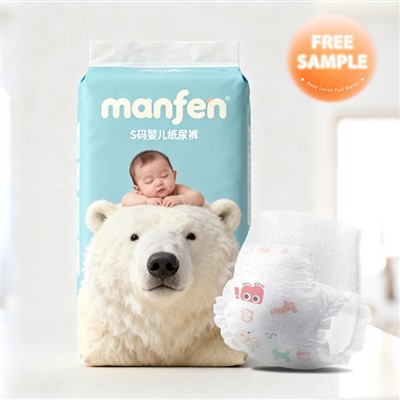
As one of the most experienced baby care products manufacturers and suppliers in China, we also support customized service with low price. We warmly welcome you to buy cheap baby care products made in China here from our factory. For free sample, contact us now.
Address:
E-mail: gina@lechenpersonalcare.com
WebSite: https://www.lechenpersonalcare.com/
