When I first started talking to boutique designers and small-scale garment makers about silicone heat transfers for wool accessories, the most common question I heard was, “Wait—silicone on wool? Won’t that ruin the fabric?” It makes total sense. Wool is a natural, protein-based fiber with a unique set of properties—breathable, insulating, soft next to skin, but also delicate if not treated correctly. And silicone heat transfers? They’re durable, flexible, and resistant to washing, but their application process involves heat and pressure, two things people are taught to avoid with wool. As a supplier focused exclusively on silicone heat transfers for garment accessories, I’ve spent years testing these two materials together, and today I’m breaking down everything you need to know to answer that question clearly: yes, you can use silicone heat transfers on wool accessories—when done right. Silicone Heat Transfers for Garment Accessories

Let’s start with the basics of both wool and silicone heat transfers to set the stage. Wool is made from the keratin protein, same as human hair and nails, which is why it’s so resilient to cold and friction but sensitive to high heat. Its structure is made of tiny, overlapping scales along each fiber; when exposed to temperatures above a certain point, those scales can fuse together (this is called felting or shrinkage) and lock tight, changing the fabric’s shape, softness, and even its ability to breathe. That’s why washing wool in hot water or drying it on high heat is a no-go for most garments.
Now, silicone heat transfers for garment accessories are custom-designed graphics, logos, or even small decorative elements made from medical-grade or food-grade silicone. Unlike older vinyl heat transfers, which are rigid and can crack over time, silicone transfers are flexible, stretch with the fabric, and have a soft, matte or slightly shiny finish that doesn’t scratch the skin. They’re applied using a heat press, which applies a specific combination of time, temperature, and pressure to melt the silicone just enough so it adheres to the fabric’s surface without seeping too deep.
The key to making this work for wool is understanding three non-negotiable factors: temperature control, pressure, and wool type. Let’s dive into each. First, temperature is the biggest enemy here. I’ve seen too many brands grab a generic heat press setting from a vinyl guide and blast wool with 350°F (175°C) for 10 seconds, only to end up with a felted, stiff accessory that’s unwearable. Silicone itself melts at around 320°F (160°C), but wool starts to show damage at temperatures as low as 200°F (93°C) if held for more than a few seconds. That’s why our team has spent hundreds of tests perfecting the optimal heat settings for wool accessories: 275°F (135°C) for 7 to 8 seconds for most standard wool blends, and 265°F (130°C) for 6 to 7 seconds for 100% merino wool, which is the most delicate type on the market. We also add a separate release sheet between the silicone transfer and the wool to make sure no silicone melts onto the heat press itself, and to distribute heat evenly so no single spot on the wool fabric gets too hot.
Next, pressure. Too little pressure means the silicone won’t adhere properly, leading to peeling after the first wear or wash. Too much pressure can crush the tiny air pockets in wool fibers, which are what give wool its insulating properties and soft hand feel. For wool accessories, we use medium, even pressure—usually around 15 to 20 PSI. That’s enough to make the silicone make full contact with the wool’s surface, but not so much that it compresses the wool’s natural loft. We always advise our customers to test the pressure on a small, hidden swatch of the same wool accessory first: press a scrap for 5 seconds, lift the heat press, check if the silicone transfer’s edges are tacky, and feel the wool under the transfer to make sure it’s still soft, not stiff or flat. This quick test saves you from ruining an entire batch of scarves, hats, or bag charms.
Then there’s wool type, which is often overlooked. Not all wool is the same, and that changes everything. 100% merino wool, superfine alpaca, and other extra-fine wools have fibers less than 20 microns in diameter, making them extremely soft but very sensitive to heat and pressure. Thick, chunky wool like Shetland wool, or wool blends with synthetic fibers like polyester or nylon, are more forgiving. We’ve found that wool blends with at least 10% synthetic fibers can handle heat settings up to 290°F (143°C), while 100% cashmere or merino requires the lowest settings we offer. We also avoid using silicone transfers on wool accessories that have any pre-treated water-repellent or stain-resistant coatings, because those coatings can react with the silicone adhesive and cause peeling over time. If your wool accessory has a special finish, let us know—we can adjust the silicone transfer’s adhesive formula to work with it.
Now, let’s talk about common mistakes I see, even with these settings. First, skipping the pre-press step. Before applying the silicone transfer, you need to pre-press the wool accessory for 1 to 2 seconds at the same temperature you’ll use for the transfer, without the transfer or release sheet. This removes any moisture or water vapor trapped in the wool fibers, which can create steam during the application process and cause the wool to felt. I once worked with a small brand making wool hat liners that kept turning felted and stiff, and it turned out they were applying the transfer right out of the packaging, where the wool had been stored in a humid warehouse. Pre-pressing fixed the issue immediately.
Another mistake is using a regular household iron instead of a heat press. I know it’s tempting—you don’t have a heat press, so you grab your iron. But household irons have uneven heat distribution, and the soleplate is often too large or too hot for small wool accessories, leading to hot spots and shrinkage. If you don’t have access to a commercial heat press, look for a portable heat press designed for small items, like hat clamshell presses, which have even heat and consistent pressure settings tailored for small accessories. I also recommend testing the iron on a swatch first, and setting it to the “wool” or “low heat” setting, with a cotton press cloth between the iron and the accessory.
What about washing and durability? That’s the part that matters most for customers—does the silicone transfer stay on, or does it peel after one wash? We’ve tested our silicone heat transfers on dozens of wool accessories, from scarves to glove cuffs, following the application guidelines I just mentioned, and the results have been fantastic. Our standard test is washing the accessory in cold water (max 30°C / 86°F) on a gentle cycle, with a mild detergent, no fabric softener, and line-drying flat (which is the standard care for wool). After 20 washes, the transfers show no peeling, cracking, or fading, and the wool accessory remains soft and breathable. We also have a special durable formula for accessories that will be worn often, like hat badges or tote bag patches, which we can recommend based on your design and use case.
Wait, but what if you make a mistake and apply a silicone transfer that’s not adhering? How do you remove it without ruining the wool? That’s a question a lot of new customers ask, and it’s good to prepare for. Silicone heat transfers adhere via heat-activated adhesive, so to remove one, you can apply a heat press at 280°F (138°C) for 10 seconds, then gently peel the silicone transfer off while it’s still warm. Any leftover adhesive can be removed with a small amount of rubbing alcohol on a soft cloth, being careful not to rub too hard on the wool fibers. I always advise customers to test this removal method on a hidden spot first, just to make sure it works on their specific wool type, but we’ve never had a case where this method damaged a wool accessory when done correctly.
Let me share a real example to make this concrete. Last year, I worked with a small sustainable brand that makes limited-edition wool scarves for fall, targeting eco-conscious shoppers who love soft, natural fabrics with subtle branding. They tried using embroidered patches on their first line, but embroidery added bulk and scratched necks, and it increased the cost per scarf by almost 30%. They reached out to me because they saw silicone transfers were cheaper and more flexible, but they were worried about ruining the merino wool. We sent them test transfers with custom temperatures and pressure settings, they tested on a swatch, adjusted their process, and the final product was a huge hit. The silicone logo was soft, didn’t scratch, and the scarves didn’t felt at all. They’ve reordered three times since then, and now silicone transfers make up 40% of their accessory branding.
Another example: a brand making wool dog collars. Wool is durable for pet accessories, but it needs to be flexible and safe for a dog’s neck. Silicone transfers for their logo or a small design worked perfectly—we adjusted the application for the thick, chunky wool blend they used, and the transfers stayed on even after the dog swam in the rain and the collar was washed. The brand saved money on embroidery, and the collars are much more comfortable for pets.
Now, let’s talk about when you might want to skip silicone transfers, just to be transparent. If you’re working with extremely thin wool, like wool voile used for dress linings, silicone transfers might slightly change the fabric’s drape, since they add a small layer of silicone. In that case, embroidery or woven labels might be a better option. Also, if you’re making a large design that covers more than 50% of the wool accessory’s surface, silicone transfers might make that area a little less breathable, since the silicone is non-porous. For large designs, we suggest testing a small section first, or combining silicone transfers with smaller woven labels for the rest of the branding.
At the end of the day, the biggest takeaway is that silicone heat transfers are a great, cost-effective option for wool garment accessories, as long as you follow the right settings and care for both the material and the application process. The worst thing you can do is guess at the heat and pressure—wool is delicate, but it’s not fragile, and silicone transfers are designed to work with it when done correctly.
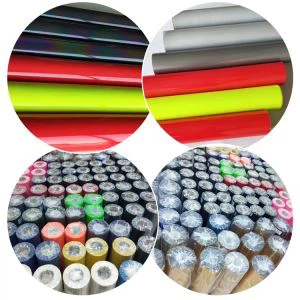
If you’re a designer, brand owner, or maker and you have more questions about which silicone transfer type works best for your wool accessories, or you need custom settings for a specific product, I’m here to help. We offer free sample transfers and testing swatches, so you can try the process for yourself without risking a whole batch of products. We work with small brands and large companies alike, and we pride ourselves on being accessible and transparent about every step of the process. To get started, reach out to us to discuss your specific needs, and we’ll help you find the right solution for your wool accessories.
Silicone Heat Transfers for Garment Accessories References
- ASTM International. (2021). Standard Specification for Silicone Heat Transfer Films for Textile Applications. ASTM D7743-21.
- Wool Research Organization of New Zealand. (2019). Care and Treatment of Wool Textiles: Heat and Pressure Effects on Wool Fiber Structure. WRONZ Technical Bulletin No. 14.
- Textile Institute. (2020). Durability of Heat-Applied Silicone Coatings on Natural Protein Fibers. Journal of Textile Design Research and Practice, 8(2), 45-62.
- International Organization for Standardization. (2018). Textiles – Determination of Shrinkage after Heat Treatment for Wool and Other Animal Fibers. ISO 5077:2018.
DG Triangle New Material Technology Co., Ltd.
DG Triangle New Material Technology Co., Ltd. is one of the leading silicone heat transfers for garment accessories manufacturers and suppliers in China. We warmly welcome you to wholesale quality silicone heat transfers for garment accessories made in China here from our factory. For pricelist and quotation, contact us now.
Address: Room 603, Building 4, No. 78 Longyan 13th Road, Humen Town, Dongguan City, Guangdong Province Chinaan.
E-mail: info@dgtriangle.com
WebSite: https://www.dgtriangle.com/
