Hot weather can have a significant impact on LPG tanker trailers, which are crucial for transporting liquefied petroleum gas (LPG) safely and efficiently. As a supplier of LPG tanker trailers, I’ve witnessed firsthand how extreme heat can pose various challenges and risks. In this blog, I’ll explore the effects of hot weather on LPG tanker trailers and discuss how we can mitigate these issues to ensure the safety and reliability of our products. LPG Tanker Trailer

Impact on LPG Properties
LPG is a mixture of propane and butane, which are both highly flammable gases. At normal temperatures and pressures, LPG exists in a gaseous state. However, it can be liquefied under moderate pressure, making it easier to store and transport. Hot weather can cause the temperature of the LPG inside the tanker trailer to rise, leading to an increase in pressure.
According to the ideal gas law, the pressure of a gas is directly proportional to its temperature when the volume and the amount of gas are constant. As the temperature of the LPG increases in hot weather, the pressure inside the tanker trailer will also rise. If the pressure exceeds the design limits of the tanker, it can lead to serious safety hazards, such as leaks or even explosions.
Structural Integrity of the Tanker Trailer
The structural integrity of an LPG tanker trailer is of utmost importance for safe transportation. Hot weather can put additional stress on the tank’s structure. The metal used in the construction of the tanker expands when heated. This thermal expansion can cause mechanical stress on the tank walls, joints, and fittings.
Over time, repeated cycles of thermal expansion and contraction can lead to fatigue cracking in the tank’s structure. These cracks may start small but can grow over time, compromising the integrity of the tanker. In extreme cases, a crack could lead to a catastrophic failure, resulting in the release of LPG.
The paint and coatings on the tanker trailer also play a role in protecting the metal from corrosion. However, high temperatures can cause the paint to degrade more quickly. Once the paint is damaged, the metal is exposed to the elements, increasing the risk of corrosion. Corroded areas are weaker and more prone to cracking, further endangering the safety of the tanker.
Sealing and Valve Performance
The seals and valves on an LPG tanker trailer are critical components that prevent leaks. Hot weather can affect the performance of these seals and valves. Seals are typically made of rubber or other elastomeric materials. High temperatures can cause these materials to degrade and lose their elasticity.
As the seals lose their elasticity, they may not provide a tight seal, allowing LPG to leak out. Even a small leak can be extremely dangerous due to the flammable nature of LPG. Leaks can also lead to product loss, which is not only a safety concern but also an economic one.
Valves are another area that can be affected by hot weather. The internal components of valves can expand in the heat, causing them to stick or malfunction. This can make it difficult to control the flow of LPG and may lead to over – pressure situations in the tanker.
Cooling and Insulation
To combat the effects of hot weather, proper cooling and insulation are essential for LPG tanker trailers. Insulation helps to reduce the rate at which heat is transferred from the outside environment to the LPG inside the tanker. There are various types of insulation materials available, such as foam and fiberglass.
Good insulation can keep the temperature of the LPG relatively stable, reducing the risk of pressure build – up. For instance, if a tanker is traveling in an area with high ambient temperatures, a well – insulated tank will experience slower temperature increases compared to an uninsulated one.
In addition to insulation, some tanker trailers are equipped with cooling systems. These systems can be either active or passive. Active cooling systems, such as refrigeration units, actively remove heat from the LPG. Passive cooling systems, on the other hand, rely on natural processes like evaporation to cool the tank.
Monitoring and Safety Systems
Monitoring and safety systems are crucial for detecting and preventing problems related to hot weather. Temperature sensors are installed inside the tanker to monitor the temperature of the LPG. If the temperature rises above a certain threshold, an alarm can be triggered, alerting the driver or operators.
Pressure sensors are also used to monitor the pressure inside the tank. In case of over – pressure, safety relief valves are designed to open and release some of the LPG to prevent the pressure from exceeding the tank’s design limits. These safety valves need to be regularly inspected and maintained to ensure their proper functioning.
Mitigation Strategies for Suppliers
As a supplier of LPG tanker trailers, we take several steps to mitigate the effects of hot weather on our products. First, during the design phase, we use high – quality materials that can withstand high temperatures and thermal expansion. We also conduct extensive testing to ensure that our tankers meet or exceed industry standards for safety and performance in various environmental conditions.
We provide comprehensive training to our customers on how to operate and maintain their LPG tanker trailers, especially in hot weather. This includes proper loading and unloading procedures, as well as regular inspection of seals, valves, and other critical components.
In addition, we offer after – sales support, including on – site maintenance and repair services. Our team of experts is available to assist customers in case of any issues related to the tanker trailer’s performance in hot weather.
Conclusion
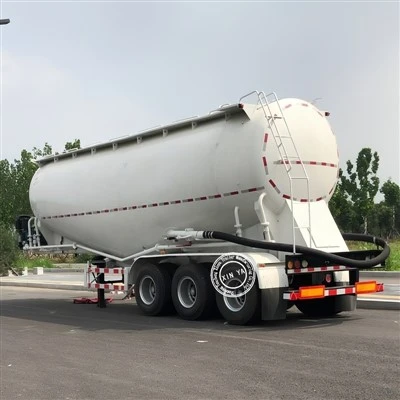
Hot weather poses significant challenges to LPG tanker trailers. It can affect the properties of LPG, the structural integrity of the tanker, the performance of seals and valves, and more. However, by implementing proper cooling and insulation, monitoring and safety systems, and mitigation strategies, we can minimize these risks and ensure the safe transportation of LPG.
Low Loader Semi-trailer If you are in the market for a reliable LPG tanker trailer that can withstand the rigors of hot weather, we are here to help. Our expertise and commitment to quality make us a trusted partner in the LPG transportation industry. Contact us to discuss your specific requirements and find the best solution for your business.
References
- Perry, R. H., & Green, D. W. (Eds.). (2008). Perry’s Chemical Engineers’ Handbook. McGraw – Hill.
- API RP 1104, "Welding of Pipelines and Related Facilities," American Petroleum Institute.
- NFPA 58, "Liquefied Petroleum Gas Code," National Fire Protection Association.
Shandong Yuncheng Xinya Trailer Manufacturing Co., Ltd.
Shandong Yuncheng Xinya Trailer Manufacturing Co., Ltd. is one of the most experienced LPG tanker trailer manufacturers and suppliers in China, featured by quality products and good service. Please rest assured to buy CE approved LPG tanker trailer from our factory. Contact us for customized service and OEM service.
Address: No. 008, Hexie Road, Yangzhuangji Town, Yuncheng County, Heze City, Shandong Province
E-mail: fiona@xinyatrailer.com
WebSite: https://www.china-truckfactory.com/
