Hey there, folks! I’m a supplier of CNG equipment, and I’ve been in this business for quite a while. You know, CNG, or Compressed Natural Gas, has been hailed as a cleaner and more cost – effective alternative to gasoline and diesel. It’s got a lot going for it, like lower emissions and potentially lower fuel costs. But let me tell you, it’s not all sunshine and rainbows. There are some real downsides to CNG equipment that I think you should know about. CNG Equipment

First off, let’s talk about the storage issue. CNG needs to be stored at high pressures, typically around 3,000 to 3,600 pounds per square inch (psi). That means you gotta have some pretty heavy – duty storage tanks. These tanks are big, bulky, and take up a lot of space. If you’re using CNG in a vehicle, for example, you’re gonna lose a significant amount of cargo or passenger space. In a car, the trunk might be almost completely filled with the CNG tank. For trucks and buses, the space that could be used for carrying goods or more passengers is taken up by these large storage units. And let’s not forget about the weight. These high – pressure tanks are heavy, which can reduce the overall fuel efficiency of the vehicle. You’re basically carrying around all that extra weight, and your engine has to work harder to move it.
Another major disadvantage is the refueling infrastructure. Unlike gasoline or diesel stations, which are everywhere, CNG refueling stations are still relatively few and far between. In many areas, you might have to drive a long way just to find a place to fill up your CNG vehicle. This can be a real pain in the neck, especially if you’re on a long trip or in an unfamiliar area. And even when you do find a refueling station, the refueling process can be slower compared to filling up with gasoline or diesel. It takes time to compress the natural gas and transfer it to your vehicle’s tank at the right pressure. So, you could be spending a lot more time at the pump, which is not ideal if you’re in a hurry.
Now, let’s get into the cost aspect. The initial cost of installing CNG equipment is pretty high. Whether it’s for a vehicle conversion or setting up a CNG station, you’re looking at a significant investment. For vehicle owners, converting a gasoline or diesel vehicle to run on CNG can cost several thousand dollars. This includes the price of the CNG tank, the conversion kit, and the labor to install it. And for businesses looking to set up a CNG refueling station, the costs can be even more astronomical. You need to buy the compression equipment, storage tanks, and all the necessary safety features. Plus, there are the costs associated with getting the proper permits and approvals from local authorities.
Maintenance is also a bit of a headache with CNG equipment. The high – pressure nature of CNG means that the components of the equipment are under a lot of stress. This can lead to more frequent wear and tear. For example, the valves, seals, and hoses in a CNG system need to be inspected and replaced more often than those in a traditional gasoline or diesel system. And because CNG is a gas, any leaks can be a serious safety hazard. You need to have trained technicians regularly check for leaks, which adds to the maintenance costs. Also, if there is a leak, it can be difficult to detect because natural gas is odorless. That’s why an odorant is added to it, but still, finding a small leak can be a challenge.
Safety is always a top concern, and CNG equipment has its own set of safety risks. As I mentioned earlier, the high – pressure storage of CNG is a potential danger. If a tank is damaged in an accident, there’s a risk of a rupture, which could lead to a fire or an explosion. And because CNG is lighter than air, it can disperse quickly in the open air, but in an enclosed space, like a garage, it can accumulate and create a very dangerous situation. There are strict safety regulations in place for CNG equipment, but accidents can still happen, and the consequences can be severe.
The performance of CNG – powered vehicles can also be a bit of a letdown. CNG generally has a lower energy density compared to gasoline or diesel. This means that you’ll get fewer miles per gallon equivalent (MPGe) with CNG. So, even though CNG might be cheaper per unit of volume, you’ll need to fill up more often to cover the same distance. And in cold weather, the performance of CNG engines can drop even more. The cold can affect the way the gas burns, leading to reduced power and efficiency.
Now, I know all this might sound like I’m bashing CNG equipment, but that’s not the case at all. I believe in the potential of CNG, and I’m in this business because I think it has a place in our energy future. But it’s important to be aware of the drawbacks. If you’re considering using CNG equipment, whether it’s for your vehicle or your business, you need to weigh these disadvantages against the benefits.
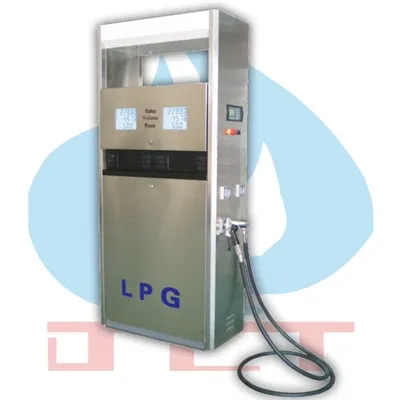
If you’re still interested in CNG equipment after hearing all this, I’d love to have a chat with you. I can answer any questions you have and help you figure out if CNG is the right choice for you. Whether you’re looking to convert your vehicle or set up a refueling station, I’ve got the knowledge and the products to assist you. Just reach out, and let’s start a conversation about how we can make CNG work for you.
CNG Equipment References:
- Industry reports on CNG technology and its challenges.
- Technical manuals for CNG equipment maintenance.
- Safety guidelines and regulations for CNG use.
Xinxiang Jincheng Technology Co., Ltd.
As one of the most professional CNG equipment manufacturers in China, we’re featured by quality products and good service. Please rest assured to buy customized CNG equipment made in China here from our factory. For pricelist, contact us now.
Address: Industrial Park, Fengquan District, Xinxiang City, Henan Province, China
E-mail: cncd05@cryocontainer.com
WebSite: https://www.jinchengspecialgas.com/
