Hey there! I’m a supplier of carbonized wood, and today I wanna dive into a super interesting question: Does carbonization change the smell of wood? Carbonized Wood
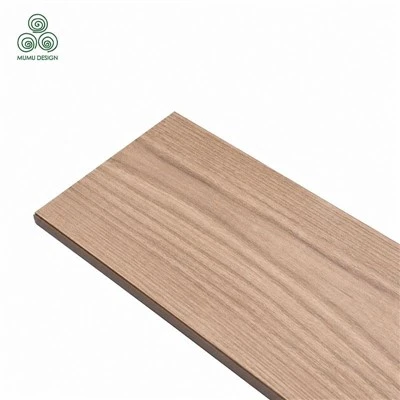
Let’s start with a bit of background. Carbonized wood is something I’m really passionate about. It’s created through a process where wood is heated to high temperatures in a low-oxygen environment. This process, also known as thermal modification, has been around for a while, and it brings a bunch of benefits to the wood, like increased durability and resistance to decay.
Now, onto the smell. When you first think about wood, you probably picture that fresh, earthy, and sometimes sweet smell. It’s one of the things that makes wood so appealing, whether it’s in a cozy cabin or a beautiful piece of furniture. But what happens when you carbonize it?
Well, I’ve been in this business long enough to know that the answer is a definite yes. Carbonization does change the smell of wood, and it’s a pretty significant change at that. When wood goes through the carbonization process, the high heat breaks down a lot of the natural compounds in the wood. These compounds are what give wood its original smell.
For example, the terpenes, which are responsible for the fresh, piney smell in coniferous woods, start to break down during carbonization. As a result, the original smell fades away. Instead, carbonized wood takes on a new, more distinct odor. It’s often described as a bit smoky, almost like a campfire or charred wood. Some people even say it has a hint of a sweet, caramel-like smell, especially in woods that have a higher sugar content.
I’ve had customers who were initially skeptical about this change in smell. They were worried that the new smell would be too strong or unpleasant. But in most cases, once they actually experience the carbonized wood, they’re pleasantly surprised. The smoky smell is not overpowering; it’s more of a subtle, inviting aroma that adds to the overall charm of the wood.
One of the reasons why the change in smell can be a good thing is that it can enhance the aesthetic experience. Imagine having a carbonized wood deck in your backyard. The moment you step out, you’re greeted with that gentle, smoky scent, which creates a really relaxing and cozy atmosphere. It’s almost like having a little piece of the forest right at your doorstep, but with a unique twist.
Another aspect to consider is the practical side. The new smell of carbonized wood can also act as a natural deterrent for pests. Insects and other pests are often put off by the altered chemical composition of the wood, which includes the new smell. This means that your carbonized wood products are less likely to be damaged by pests, which is a huge plus for both homeowners and businesses.
Now, I know some of you might be wondering if the smell will fade over time. Well, it depends. In the beginning, the smell is more prominent, especially when the wood is freshly carbonized. But as the wood ages and is exposed to the elements, the smell will gradually become more subtle. However, it never completely goes away. You’ll still be able to catch a whiff of that smoky aroma every now and then, which is a nice reminder of the wood’s unique treatment.
I’ve also noticed that different types of wood have different smells after carbonization. Hardwoods like oak and maple tend to have a deeper, richer smoky smell. The density of these woods means that they hold onto the new smell better, and it has a more complex aroma. On the other hand, softer woods like pine and spruce have a lighter, more delicate smell. The carbonization process might not change their smell as drastically as it does for hardwoods, but you can still tell a difference.
When it comes to using carbonized wood in different applications, the smell can actually be an advantage. For interior design, such as flooring or wall paneling, the unique smell can add a sense of warmth and character to a space. It’s like having a natural air freshener that also looks great. In outdoor applications, like furniture or fences, the smell can blend in with the natural environment and add to the overall rustic charm.
I’ve been talking to a lot of designers and architects lately, and they’re really excited about the potential of carbonized wood because of its smell. It’s a new and different element that they can use to create unique and memorable spaces. And as a supplier, I’m always happy to see new and innovative uses for our products.
So, if you’re thinking about using carbonized wood for your next project, don’t be afraid of the change in smell. Embrace it as a new and interesting aspect of the wood. It can bring a whole new level of sensory experience to your space, whether it’s a home, a business, or a public area.
If you’re interested in learning more about our carbonized wood products or have any questions about the smell or the carbonization process, feel free to reach out. We’re here to help you make the best decision for your project. Whether you’re a homeowner looking to spruce up your backyard or a contractor working on a big commercial project, we’ve got the right carbonized wood for you.
Wood Partition References
- "Wood Handbook: Wood as an Engineering Material"
- "Thermal Modification of Wood: Properties and Applications"
Dongguan Mumu WoodWork Co., Ltd.
As one of the most professional carbonized wood manufacturers and suppliers in China, we also support customized service. Please feel free to wholesale bulk high quality carbonized wood for sale here from our factory. Good service and low price are available.
Address: Room No.2602-2603, Unit 9B, Universal Commerce Center, Nancheng District, Dongguan City, Guangdong Province, China,523073
E-mail: sales@mumu-ing.com
WebSite: https://www.mumuthermowood.com/
