Hey there! As a supplier of Medium Voltage (MV) motors, I’ve seen firsthand how crucial it is to select the right lubricant for MV motor bearings. You might wonder, "Why all the fuss about lubricant?" Well, let me tell you, the right lubricant can make a huge difference in the performance and lifespan of your MV motor. MV Motor
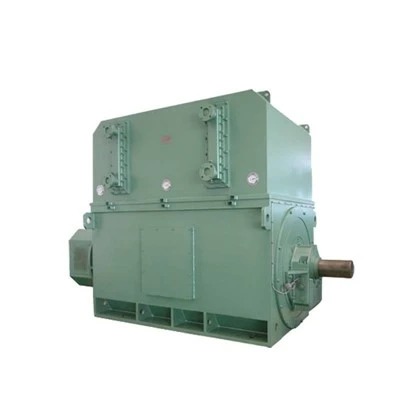
First things first, let’s understand why lubrication is so important for MV motor bearings. Bearings in MV motors experience high loads and speeds. Without proper lubrication, these bearings can overheat, wear out quickly, and even fail prematurely. A good lubricant reduces friction between the moving parts of the bearings, dissipates heat, and protects against corrosion. So, it’s not just an accessory; it’s a key component in ensuring the smooth and efficient operation of your MV motor.
Now, let’s dive into the factors you need to consider when selecting a lubricant for MV motor bearings.
1. Viscosity
Viscosity is probably the most important property of a lubricant. It refers to the lubricant’s resistance to flow. You need to choose a lubricant with the right viscosity for your MV motor. If the viscosity is too low, the lubricant won’t form a thick enough film to protect the bearings, and metal-to-metal contact can occur, leading to increased wear. On the other hand, if the viscosity is too high, the lubricant can cause excessive drag, which means the motor has to work harder, consuming more energy.
The viscosity you need depends on several factors, such as the operating temperature and the speed of the motor. In general, for high-speed motors operating at normal temperatures, a lower viscosity lubricant is suitable. But if the motor operates in a high-temperature environment or at low speeds with heavy loads, a higher viscosity lubricant is better.
2. Operating Temperature
The operating temperature of your MV motor is a critical factor in lubricant selection. Lubricants have a specific temperature range within which they perform optimally. If the operating temperature is outside this range, the lubricant’s properties can change significantly.
At low temperatures, a lubricant can become too thick and lose its ability to flow properly, which can lead to poor lubrication. At high temperatures, the lubricant can thin out, break down, and lose its protective properties. So, you need to choose a lubricant that can handle the temperature conditions of your motor’s operating environment. There are lubricants designed specifically for high-temperature applications and others for low-temperature ones.
3. Load and Speed
The load and speed at which your MV motor operates also play a big role in lubricant selection. High-speed motors require lubricants that can quickly form a thin, stable film between the bearing surfaces to reduce friction. These lubricants usually have good anti-wear properties and low viscosity.
On the other hand, motors that operate under heavy loads need lubricants with high film strength. These lubricants can withstand the pressure exerted by the load without breaking down or being squeezed out of the bearing. Greases are often a good choice for heavy-load applications because they can stay in place better than oils.
4. Environmental Conditions
The environment in which your MV motor operates can affect the choice of lubricant. If the motor is in a dusty or dirty environment, you need a lubricant that can resist contamination. Some lubricants have special additives that help prevent dirt and debris from entering the bearing and causing damage.
If the motor is exposed to moisture or chemicals, the lubricant needs to have good corrosion resistance. For example, in marine applications or in industries where there is a lot of moisture, you should choose a lubricant that is specifically formulated to protect against rust and corrosion.
5. Compatibility
You also need to make sure that the lubricant you choose is compatible with the materials used in the MV motor bearings and seals. Some lubricants can react with certain materials, causing them to swell, shrink, or degrade. This can lead to leaks, decreased performance, and shortened bearing life.
Before using a new lubricant, it’s a good idea to check with the motor manufacturer or the lubricant supplier to ensure compatibility. They can provide you with information on the recommended lubricants for your specific motor model.
Types of Lubricants
There are two main types of lubricants used for MV motor bearings: oils and greases.
Oils
Oils are often used in high-speed applications because they can flow easily and provide good cooling. They are also easier to filter and change, which can be an advantage in some situations. However, oils can leak more easily than greases, and they require a more complex lubrication system.
Greases
Greases are a mixture of oil, a thickening agent, and additives. They are more commonly used in low-speed and heavy-load applications because they can stay in place better and provide better sealing against contaminants. Greases also require less frequent re-lubrication compared to oils. However, they can be more difficult to remove and replace, and they can sometimes cause overheating if not used correctly.
Best Practices for Lubricant Selection
When it comes to selecting the right lubricant for your MV motor bearings, here are some best practices to follow:
- Read the Manufacturer’s Recommendations: The motor manufacturer usually provides guidelines on the type and viscosity of lubricant that should be used. Make sure to follow these recommendations as closely as possible.
- Do a Site Assessment: Consider the actual operating conditions of your motor, such as temperature, load, speed, and environment. This will help you choose the most suitable lubricant.
- Test and Monitor: If possible, test different lubricants in a small-scale application before making a full-scale change. Also, regularly monitor the condition of the bearings and the lubricant to ensure that everything is working properly.
- Work with a Reputable Supplier: Choose a lubricant supplier that has a good reputation and can provide technical support. They can help you select the right lubricant and answer any questions you may have.
In conclusion, selecting a suitable lubricant for MV motor bearings is not a one-size-fits-all process. It requires careful consideration of several factors, including viscosity, operating temperature, load and speed, environmental conditions, and compatibility. By choosing the right lubricant, you can improve the performance and reliability of your MV motors, reduce maintenance costs, and extend the lifespan of your equipment.
If you’re in the market for MV motors or need help selecting the right lubricant for your existing motors, don’t hesitate to get in touch with me. I’m here to assist you with all your MV motor needs and guide you through the lubricant selection process. Let’s work together to ensure the smooth and efficient operation of your motors.
Large Synchronous Motor References
- Machinery’s Handbook, Industrial Press Inc.
- Lubrication Fundamentals, Noria Corporation
Xian Putai Electric Motor Equipment Co., Ltd.
Xian Putai Electric Motor Equipment Co., Ltd. is one of the most professional mv motor manufacturers and suppliers in China, also supports customized service with low price. Welcome to buy advanced mv motor in stock here from our factory. If you have any enquiry about quotation, please feel free to email us.
Address: Haibo Guangchang Fengcheng Nine Road Economical & Technological Development District Xi’an City Shaanxi Province – China
E-mail: sales@putaimotor.com
WebSite: https://www.putaimotor.com/
